
Maison Media
Samsara Vins Samsara Priorat 2019
Updated ·
Samsara Vins Samsara Priorat 2019 is a red wine from Priorat, Spain, made from Garnacha, Cariñena, Syrah and Cabernet Sauvignon. In Maison Apéro’s structured tasting profile, the quality is “Very good” and the readiness for drinking is “Can drink, with potential”.
- Producer
- Samsara Vins
- Region
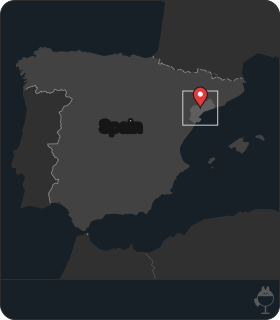
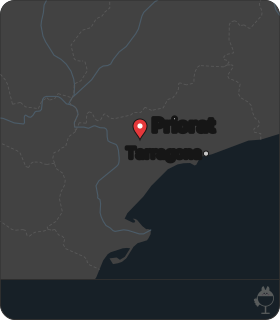
- Priorat · Spain
- Vintage
- 2019
- Grapes
- Garnacha, Cariñena, Syrah, Cabernet Sauvignon
About Samsara Vins Samsara Priorat 2019
What grapes is Samsara Vins Samsara Priorat 2019 made from?
Samsara Vins Samsara Priorat 2019 is made from Garnacha, Cariñena, Syrah and Cabernet Sauvignon.
Where does Samsara Vins Samsara Priorat 2019 come from?
Samsara Vins Samsara Priorat 2019 comes from Priorat, Spain. It is made by Samsara Vins.
How does Samsara Vins Samsara Priorat 2019 taste?
In Maison Apéro’s structured tasting profile, Samsara Vins Samsara Priorat 2019 is recorded with these levels — Sweetness: Dry; Acidity: Medium+; Tannin: Medium+; Alcohol: High; Body: Medium+; Flavour intensity: Medium+; Finish: Medium+. Aromas: Red fruit, Black fruit, Herbal, Spice, Mineral, Oak.
When should you drink Samsara Vins Samsara Priorat 2019?
In Maison Apéro’s structured tasting profile, the readiness for drinking of Samsara Vins Samsara Priorat 2019 is “Can drink, with potential”.
Sensory & terroir profile
6-Axis Radar
3-Tier Aromas
Terroir Strata
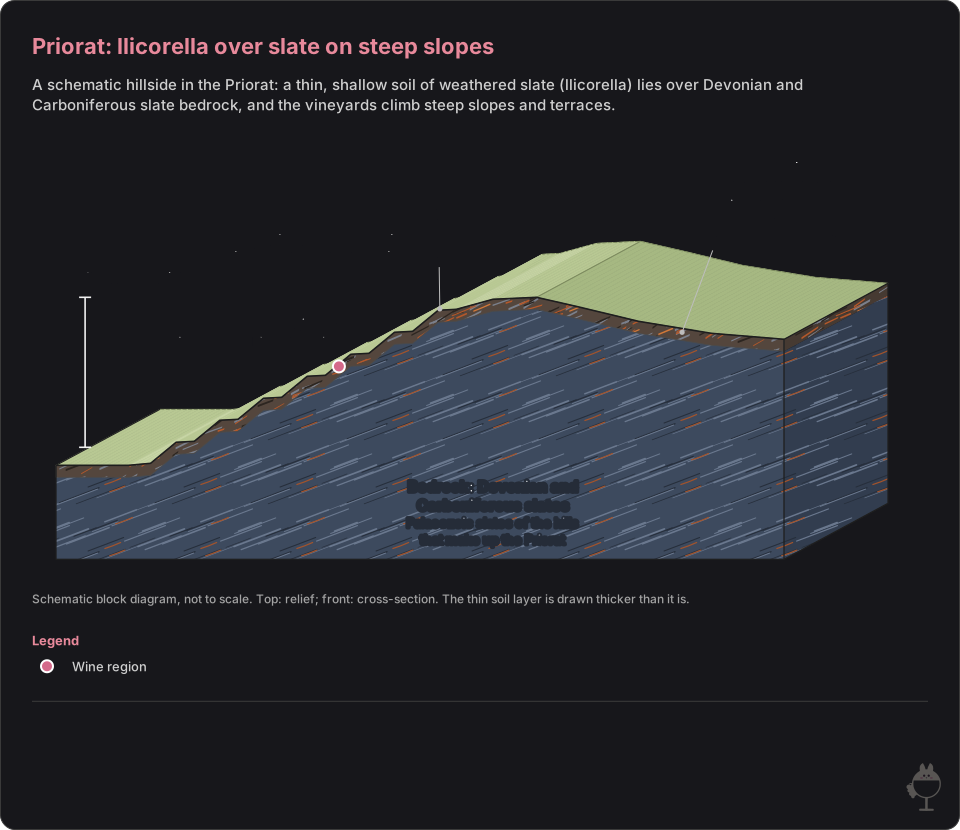
Schematic block diagram, not to scale: the top shows the relief and the front face a cross-section, coloured by soil and rock type.
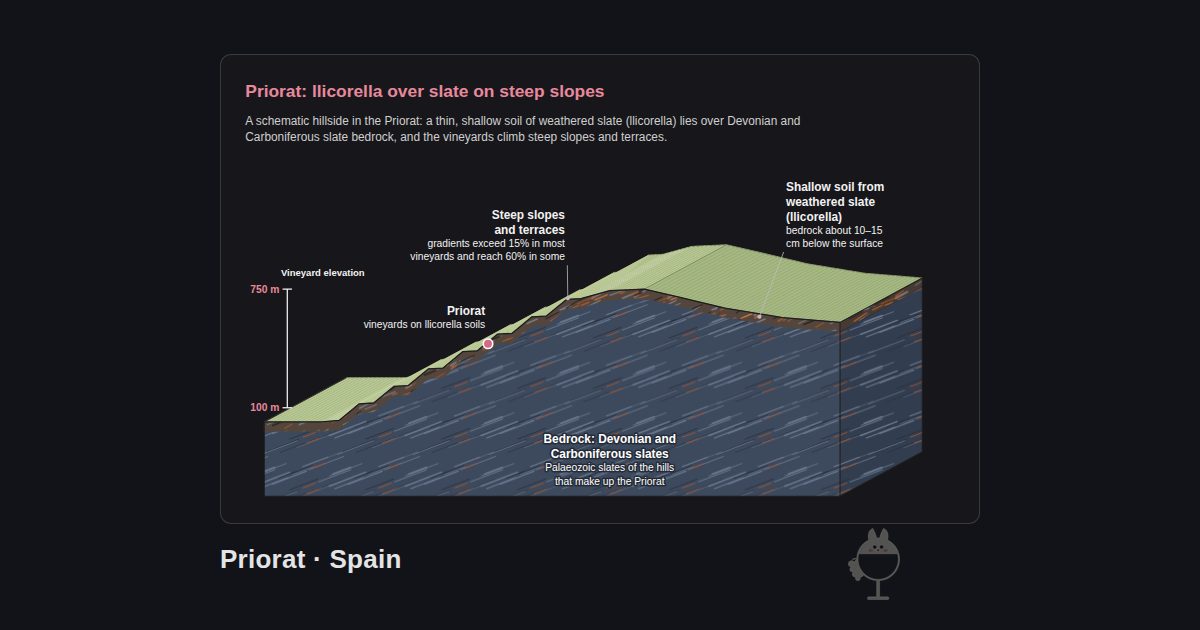
- The soil is usually a single horizon, low in organic matter, formed mainly by the breakdown of slate, called llicorella here; bedrock lies about 10–15 cm below the surface. It drains quickly and holds little water.
- The bedrock is made of Devonian and Carboniferous slates, the Palaeozoic slates of the hills that make up the Priorat.
- Many Priorat vineyards are on steep slopes and terraces: gradients exceed 15% in most vineyards and reach 60% in some.
- The vineyards lie between 100 and 750 m of elevation.
Terroir at a glance
- Soil
- Shallow soil from weathered slate (llicorella) Generalitat de Catalunya (Departament d’Agricultura) — Pliego de condiciones «DOP Priorat»
- Elevation
- 100–750 m Consell Regulador de la DOQ Priorat — Territory