
Maison Media
Château Calon-Ségur Saint-Estèphe 2020
Updated ·
Château Calon-Ségur Saint-Estèphe 2020 is a red wine from Saint-Estèphe, France, made from Cabernet Sauvignon, Merlot, Cabernet Franc and Petit Verdot. In Maison Apéro’s structured tasting profile, the quality is “Outstanding” and the readiness for drinking is “Can drink, with potential”.
- Producer
- Château Calon-Ségur
- Region
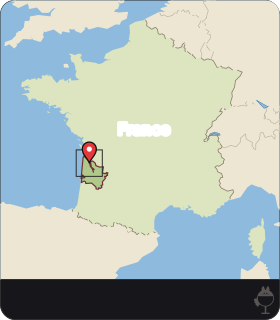
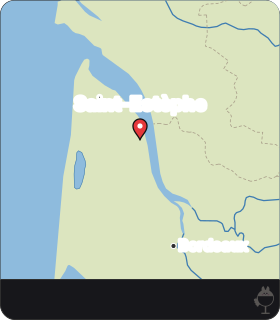
- Saint-Estèphe · France
- Vintage
- 2020
About Château Calon-Ségur Saint-Estèphe 2020
What grapes is Château Calon-Ségur Saint-Estèphe 2020 made from?
Château Calon-Ségur Saint-Estèphe 2020 is made from Cabernet Sauvignon, Merlot, Cabernet Franc and Petit Verdot.
Where does Château Calon-Ségur Saint-Estèphe 2020 come from?
Château Calon-Ségur Saint-Estèphe 2020 comes from Saint-Estèphe, France. It is made by Château Calon-Ségur.
How does Château Calon-Ségur Saint-Estèphe 2020 taste?
In Maison Apéro’s structured tasting profile, Château Calon-Ségur Saint-Estèphe 2020 is recorded with these levels — Sweetness: Dry; Acidity: Medium+; Tannin: High; Alcohol: High; Body: Full; Flavour intensity: Pronounced; Finish: Long. Aromas: Black fruit, Red fruit, Spice, Mineral, Oak.
When should you drink Château Calon-Ségur Saint-Estèphe 2020?
In Maison Apéro’s structured tasting profile, the readiness for drinking of Château Calon-Ségur Saint-Estèphe 2020 is “Can drink, with potential”.
Château Calon-Ségur is an acclaimed third-growth estate situated in Saint-Estèphe, celebrated for its deep gravel soils over clay and iconic heart emblem. Renowned for structured, Cabernet Sauvignon-driven grand vins, the property combines traditional Médoc power with modern precision, producing wines built for extensive bottle maturation.
Sensory & terroir profile
6-Axis Radar
3-Tier Aromas
Climate & Landscape
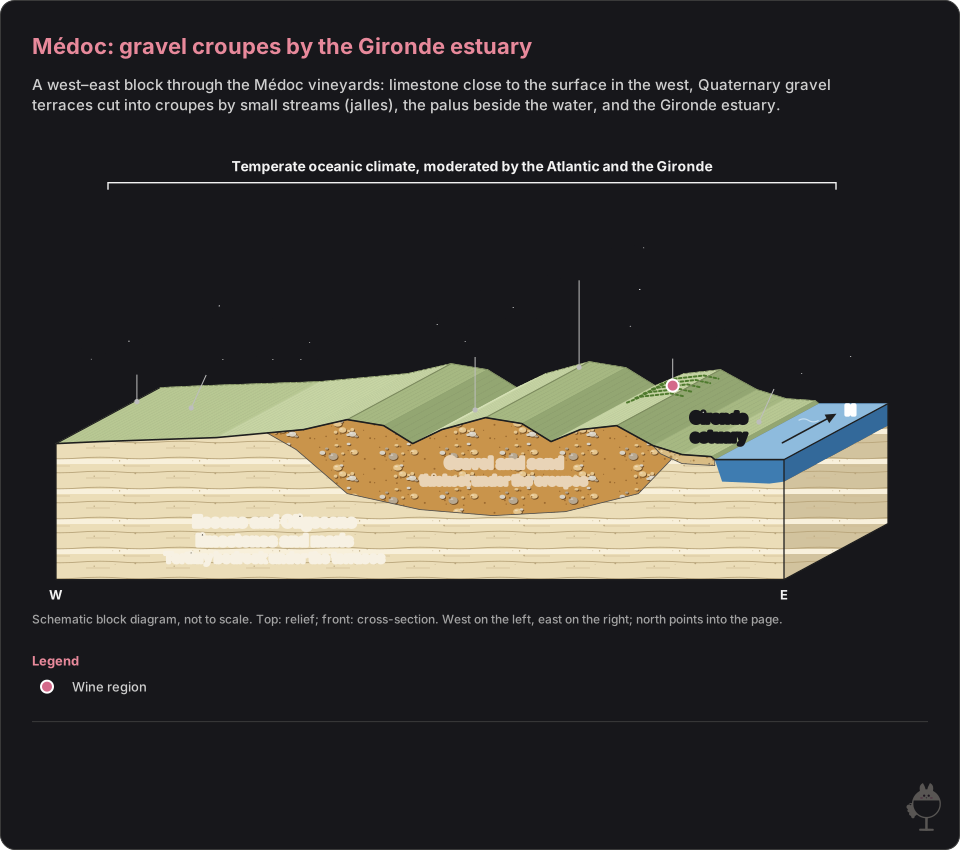
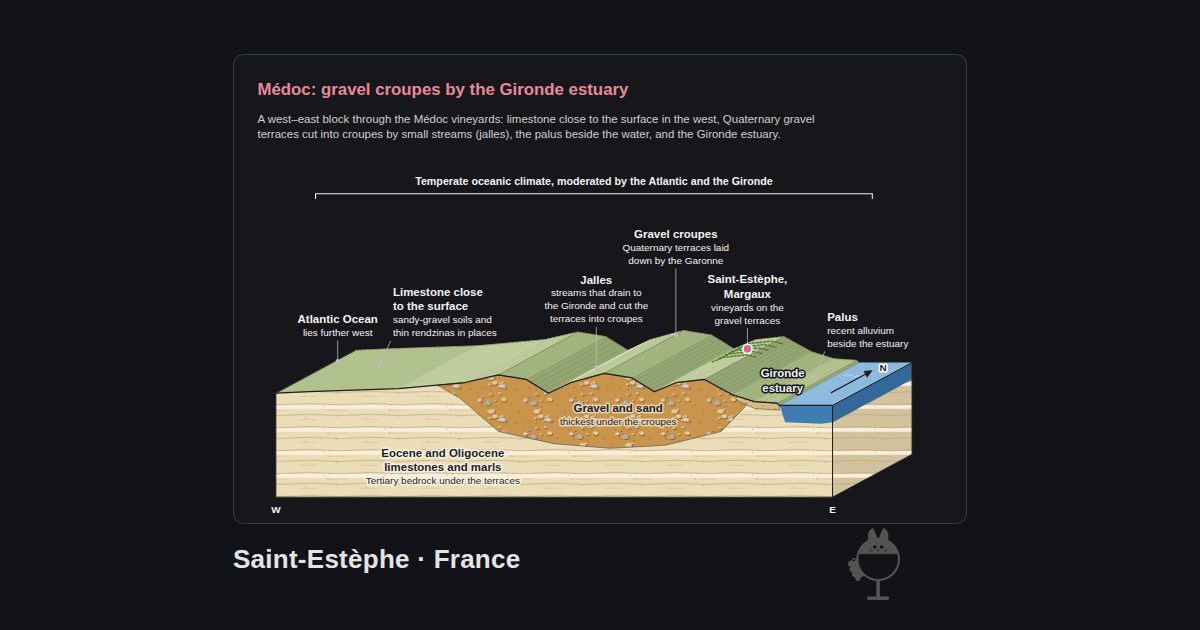
Schematic block diagram, not to scale: the top shows the relief and the front face a cross-section, coloured by soil and rock type.
- In Saint-Estèphe, Quaternary terraces rest on Eocene and Oligocene marls and limestones, which come to the surface mainly in the west of the commune; the jalles and esteys that drain the land towards the Gironde have cut the terraces into gravel croupes.
- On the croupes the soils are mainly sandy-gravel or clay-gravel; in the west, hard limestone is covered in places by sandy-gravel soils and thin rendzinas, and recent alluvium, the palus, lines the estuary.
- In Margaux the gravel terraces lie on the left bank of the Gironde; the gravel is thickest at the summit of the croupes and rests on a Tertiary limestone or clay-marl terrace.
- The climate is temperate and oceanic; the waters of the Atlantic and the Gironde regulate temperature.
- The subsoil of Saint-Estèphe rests on a limestone base of Ludian (Tertiary) age.
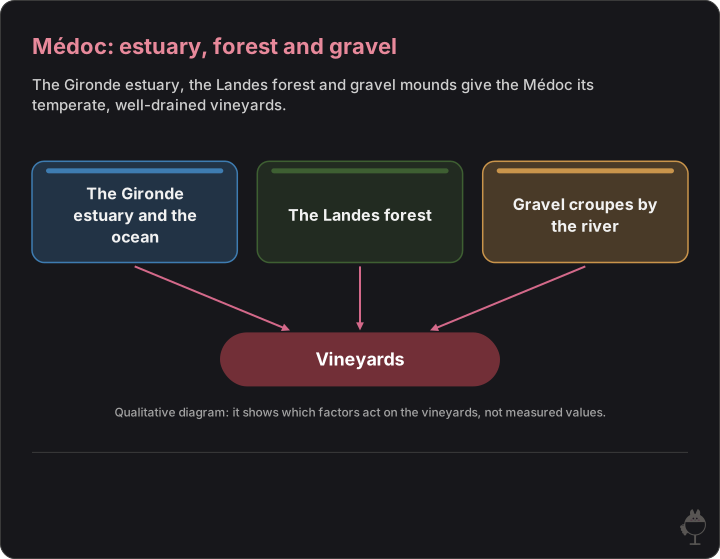
The Gironde estuary, the Landes forest and gravel mounds give the Médoc its temperate, well-drained vineyards.
The Gironde estuary and the ocean
Water on two sides moderates the climate: the estuary and the nearby Atlantic soften spring frost and summer extremes.
The Landes forest
The pine forest to the west shelters the vineyards from Atlantic winds.
Gravel croupes by the river
Gravel mounds near the estuary drain quickly and hold daytime warmth, helping Cabernet Sauvignon ripen.
Sources: Château Calon-Ségur — Unique terroir · Bordeaux Wines (CIVB)
Terroir at a glance
- Climate
- Temperate oceanic climate, moderated by the Atlantic and the Gironde