Maison Media

Zonin Amarone della Valpolicella 2022

Updated ·

Zonin Amarone della Valpolicella 2022 is a red wine from Amarone della Valpolicella, Italy, made from Corvina, Rondinella and Molinara. In Maison Apéro’s structured tasting profile, the quality is “Very good” and the readiness for drinking is “Can drink, with potential”.

Producer
Zonin
Region
Amarone della Valpolicella · Italy
Vintage
2022
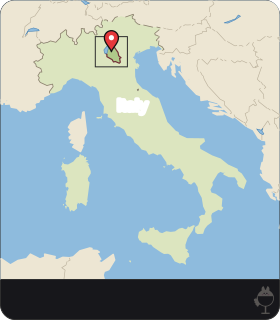
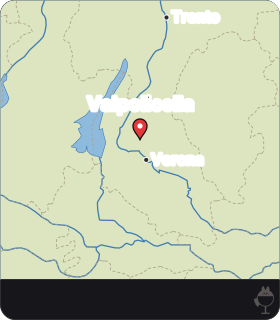
Italy: map with a pin on ValpolicellaValpolicella and its surroundings: map with a pin
Valpolicella · ItalyMap: Maison Apéro, based on Natural Earth (public domain)

About Zonin Amarone della Valpolicella 2022

What grapes is Zonin Amarone della Valpolicella 2022 made from?

Zonin Amarone della Valpolicella 2022 is made from Corvina, Rondinella and Molinara.

Where does Zonin Amarone della Valpolicella 2022 come from?

Zonin Amarone della Valpolicella 2022 comes from Amarone della Valpolicella, Italy. It is made by Zonin.

How does Zonin Amarone della Valpolicella 2022 taste?

In Maison Apéro’s structured tasting profile, Zonin Amarone della Valpolicella 2022 is recorded with these levels — Sweetness: Dry; Acidity: Medium; Tannin: Medium+; Alcohol: High; Body: Full; Flavour intensity: Medium+; Finish: Medium+. Aromas: Red fruit, Black fruit, Spice, Oak, Dried / cooked fruit.

When should you drink Zonin Amarone della Valpolicella 2022?

In Maison Apéro’s structured tasting profile, the readiness for drinking of Zonin Amarone della Valpolicella 2022 is “Can drink, with potential”.

Zonin Amarone della Valpolicella 2022 is crafted by Casa Vinicola Zonin, one of Italy's prominent historic family wine companies. Produced in the classic hills of Valpolicella in Veneto, this wine is made primarily from Corvina, Rondinella, and Molinara grapes subjected to the traditional appassimento process of drying fruit for several months before fermentation and extended cask maturation.
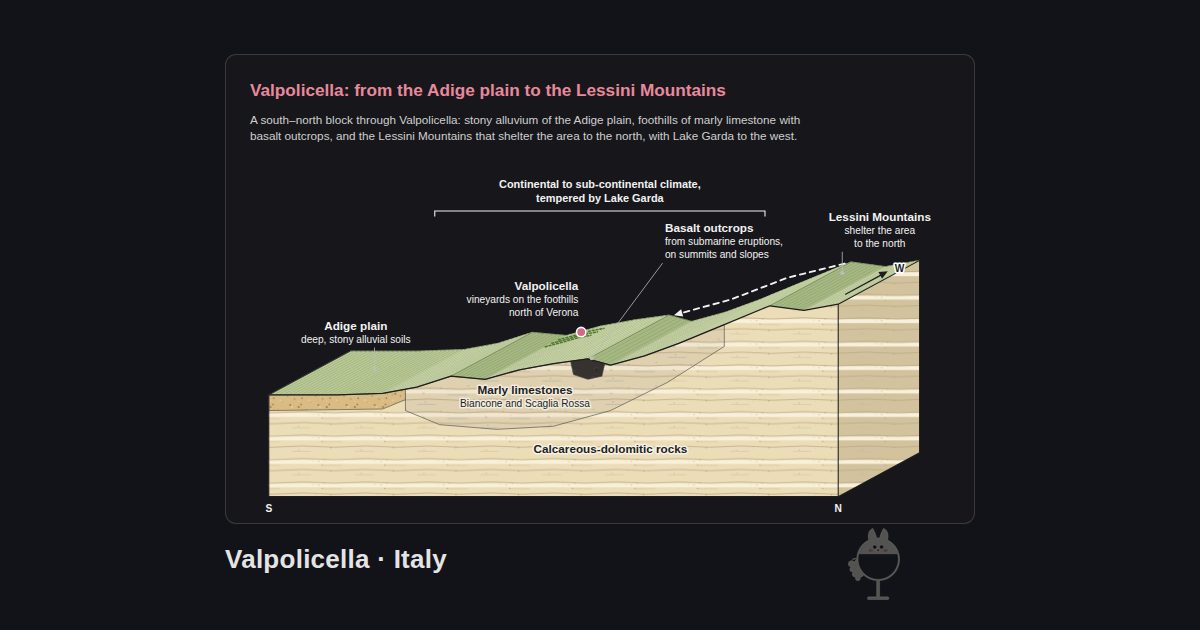
Valpolicella, Italy. Valpolicella: from the Adige plain to the Lessini Mountains: Valpolicella, Basalt outcrops, Adige plain, Lessini Mountains, Marly limestones, Calcareous-dolomitic rocks, Continental to sub-continental climate, tempered by Lake Garda
Valpolicella · ItalyDiagram: Maison Apéro Sources: Consorzio Tutela Vini Valpolicella — Disciplinare di produzione dei vini DOC «Valpolicella» · Consorzio Tutela Vini Valpolicella — Soils · Consorzio Tutela Vini Valpolicella — Climate

Sensory & terroir profile

6-Axis Radar

Acidity Medium Tannin Medium+ Body Full Alcohol High Flavourintensity Medium+ Finish Medium+

3-Tier Aromas

● Primary (Varietal, Fruit & Flora):
Red fruitBlack fruitSpice
● Secondary (Vinification, Yeast & Oak):
Oak
● Tertiary (Bottle Age & Bouquet):
Dried / cooked fruit

Climate & Landscape

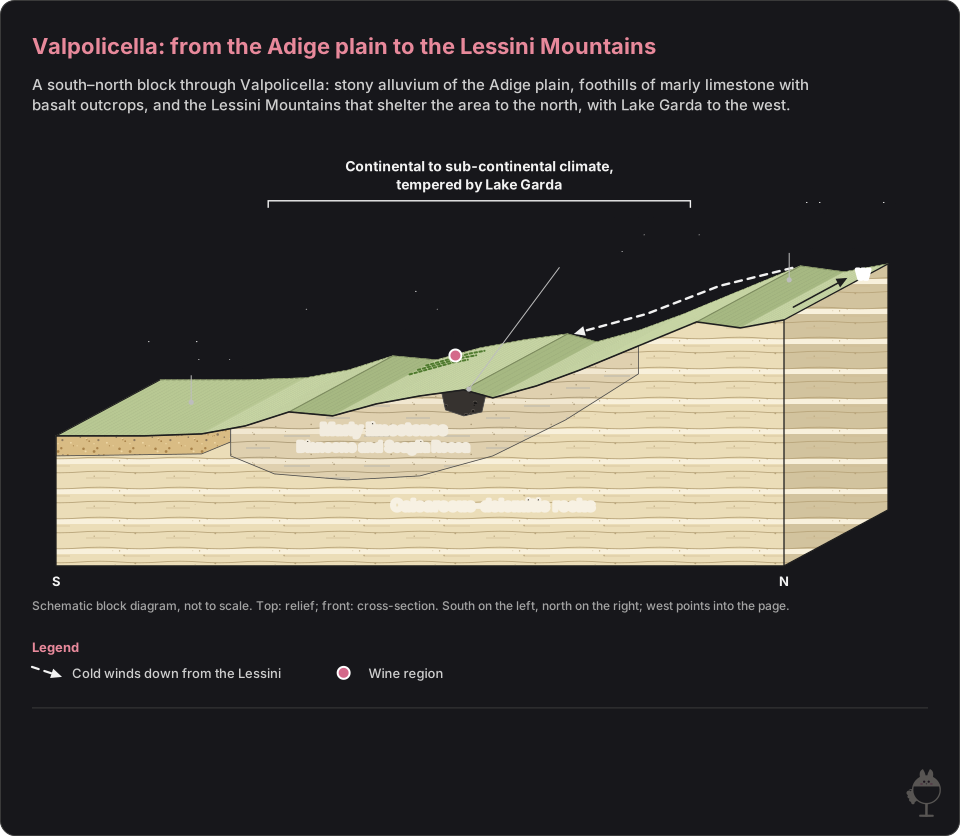
Valpolicella: from the Adige plain to the Lessini Mountains: Valpolicella, Basalt outcrops, Adige plain, Lessini Mountains, Marly limestones, Calcareous-dolomitic rocks, Continental to sub-continental climate, tempered by Lake Garda

Schematic block diagram, not to scale: the top shows the relief and the front face a cross-section, coloured by soil and rock type.

  • Valpolicella covers a band of foothills in the province of Verona, from Lake Garda almost to the border with the province of Vicenza, with the Lessini Mountains to the north; its soils derive from calcareous-dolomitic formations, basalts, and moraine and river deposits.
  • The Adige plain has deep alluvial soils with a coarse texture and abundant stones; the hills have soils formed from white and pinkish marly limestones, the Biancone and Scaglia Rossa, with basalt outcrops formed after submarine eruptions.
  • Lake Garda tempers both winter minimum and summer maximum temperatures; further from the lake, the cold winds from the Lessini Mountains act more strongly. The valleys open like a fan from the Verona area towards the north.
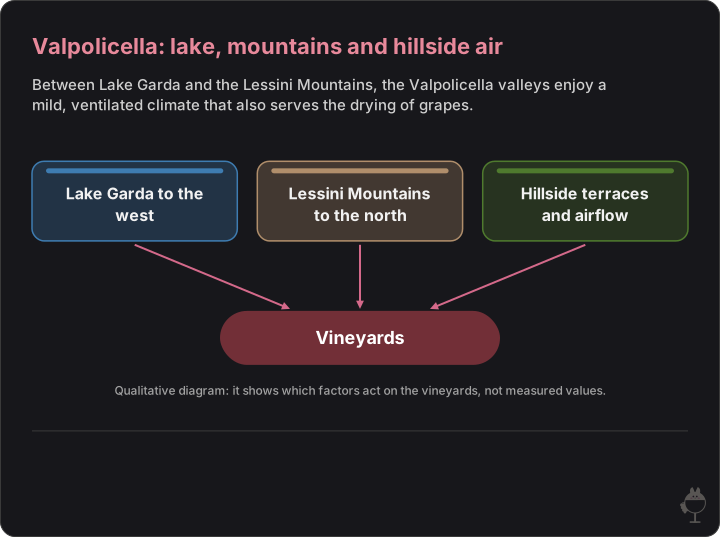
Valpolicella: lake, mountains and hillside air: Lake Garda to the west, Lessini Mountains to the north, Hillside terraces and airflow → Vineyards

Between Lake Garda and the Lessini Mountains, the Valpolicella valleys enjoy a mild, ventilated climate that also serves the drying of grapes.

  • Lake Garda to the west

    The lake moderates temperatures and lends the western valleys a milder, almost Mediterranean character.

  • Lessini Mountains to the north

    The mountains shield the valleys from cold northern winds.

  • Hillside terraces and airflow

    Vineyards on hillsides and dry-stone terraces (marogne) are well drained and ventilated; the same dry, moving air supports the appassimento drying of grapes.

Sources: Consorzio Tutela Vini Valpolicella — The Area · Consorzio Tutela Vini Valpolicella — Climate

Terroir at a glance

Climate
Continental to sub-continental climate, tempered by Lake Garda Consorzio Tutela Vini Valpolicella — Climate

Tasting review

From the review saved in Maison Apéro for this wine and vintage.

Structured tasting profile

How to read this profile: each attribute is recorded as one level on a fixed scale, for example Acidity: Low · Medium− · Medium · Medium+ · High. Attributes without a saved level are left out; nothing is estimated.

Clarity
Clear
Intensity
Deep
Color
Ruby
Aroma intensity
Medium+
Development
Developing
Sweetness
Dry
Acidity
Medium
Tannin
Medium+
Alcohol
High
Body
Full
Flavour intensity
Medium+
Finish
Medium+
Quality
Very good
Readiness for drinking
Can drink, with potential
Primary

Red fruit, Black fruit, Spice

Secondary

Oak

Tertiary

Dried / cooked fruit

Quality markers

✓ Balance, ✓ Length, ✓ Intensity

Up to 8 aromas across all three categories, with a target of 4–5 palate flavours. Only supported descriptors are listed; absences do not count as aromas. Red check counts are not scores.

Expert commentary

The 2022 vintage presents bold dried-fruit concentration framed by polished oak nuances and warmth. Generous alcohol and velvety tannins support flavours of macerated dark cherry, prune, and baking spice. A balanced vein of acidity preserves freshness across a sustained finish.

Serving and ageing guide

This wine is ready to drink now but has potential for ageing. The combination of intense concentrated fruit, firm yet ripe tannins, and high alcohol will allow it to develop greater savory tertiary complexity over the next 6 to 10 years. For immediate enjoyment, decant for one hour and serve at 16-18°C alongside braised beef short ribs, venison stew, or aged Parmigiano-Reggiano. The wine demonstrates very good quality. Aroma intensity on the nose is medium plus, mirrored consistently by medium plus flavour intensity on the palate, showing pure expressions of dried cherries, plums, and sweet oak spices. It shows sound structural balance, where plush tannins and medium acidity offset the warmth of high alcohol. The finish is persistent and medium plus in length, falling just short of outstanding due to moderate layered complexity.

Appearance

Phrases the assessment is based on

The wine is Assessment evidence clear and displays a Assessment evidence deep ruby colour with garnet highlights at the rim.

Advanced analysis Grand

Nose

Tasting Review Example Réserve

Advanced analysis Grand

Palate

Tasting Review Example Réserve

Advanced analysis Grand

Quality

Tasting Review Example Réserve

Advanced analysis Grand

Readiness for drinking

Tasting Review Example Réserve

Advanced analysis Grand

Read Réserve and Grand sections by signing in to Maison Apéro with the corresponding plan.

Maison Apéro uses a multi-stage validation process. This tasting review is data-driven reference information created from wine information and analytical signals. Actual aromas, flavours and condition may vary by bottle, storage, service and individual perception, so it is not a definitive assessment.