The background that matters
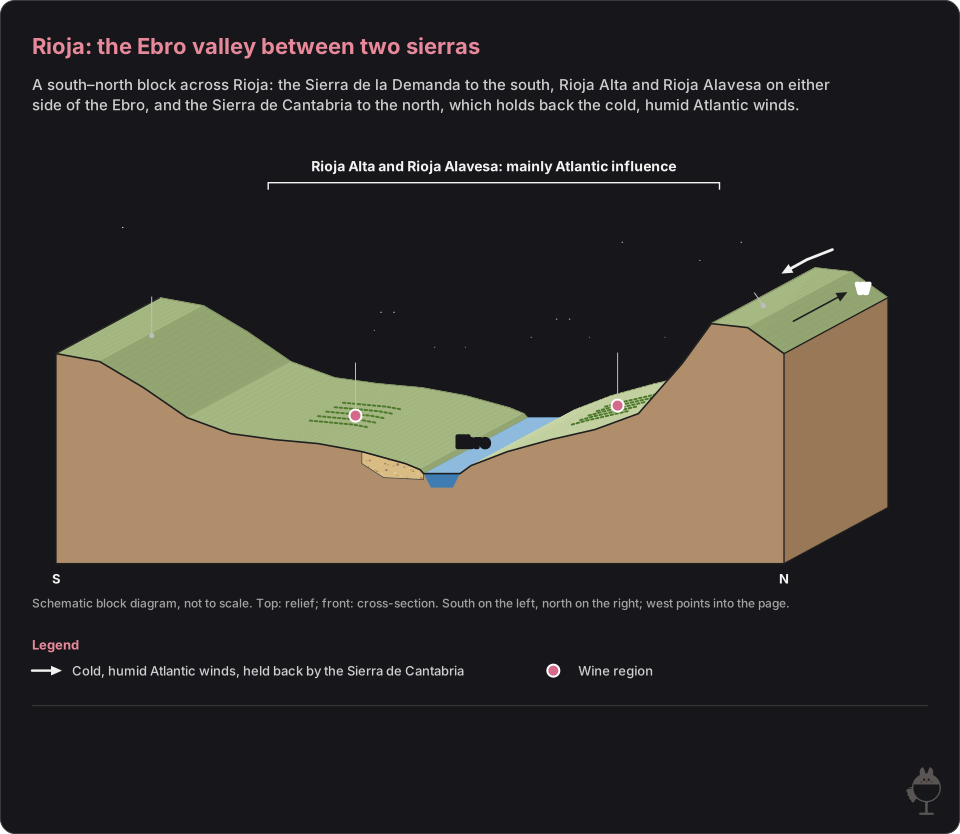
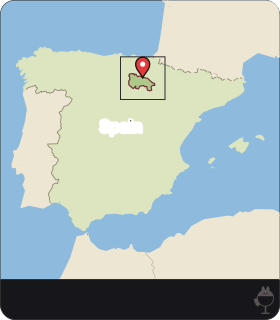
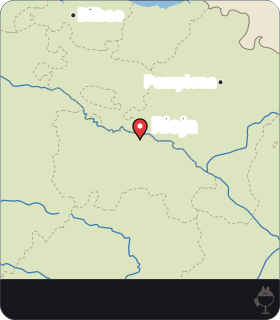
Rioja’s vineyards line both banks of the upper Ebro for almost 100 km, from Haro in the west to Alfaro in the east, sheltered by the Sierra de Cantabria to the north and the Demanda and Cameros ranges to the south. Rioja Alta and Rioja Alavesa are mainly under Atlantic influence, while Rioja Oriental, shaped by the Mediterranean, is drier and warmer. Soils change by zone too: mostly clay-limestone in Rioja Alavesa, a mix of clay-limestone, clay-ferrous and alluvial soils in Rioja Alta, and mainly alluvial and clay-ferrous soils in Rioja Oriental.
Read it alongside this wine
Cune Gran Reserva 2017 is 85% Tempranillo, 10% Graciano and 5% Mazuelo, aged 24 months in American and French oak. Cofrade is made by Bodegas del Medievo, based in Rioja Oriental; where a winery is based does not by itself show where every grape grew.
Try it with the review
In the Cune Gran Reserva review, sort each observation by what might explain it — 24 months in oak, the 2017 vintage or the place — and leave ‘place’ empty where nothing supports it. Then compare the two wine pages: which tells you more about where the grapes grew, and on what source?
These are learning prompts, not guaranteed tasting results. Separate the published facts from your own observations.
Sources
- Consejo Regulador DOCa Rioja — Geography and terroirs of RiojaChecked 2026-10-06
- Consejo Regulador DOCa Rioja — QDO Rioja areasChecked 2026-10-06
- Consejo Regulador DOCa Rioja — Pliego de condiciones de la DOP (DOCa) RiojaChecked 2026-10-06
- Consejo Regulador DOCa Rioja — Zona de Rioja AlavesaChecked 2026-10-06
- Consejo Regulador DOCa Rioja — Rioja OrientalChecked 2026-10-06
- CVNE — Cune Gran Reserva 2017 technical sheet (PDF)Checked 2026-10-06
- Consejo Regulador DOCa Rioja — Bodegas del MedievoChecked 2026-10-06