Maison Media

Cofrade Rioja 2023

Updated ·

Cofrade Rioja 2023 is a red wine from Rioja, Spain, made from Tempranillo. In Maison Apéro’s structured tasting profile, the quality is “Good” and the readiness for drinking is “Drink now”.

Producer
Cofrade
Region
Rioja · Spain
Vintage
2023
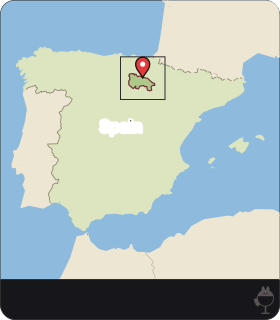
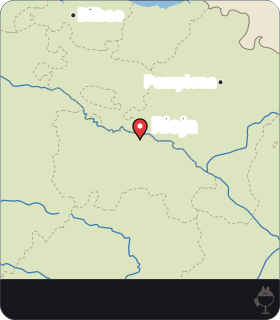
Spain: map with a pin on RiojaRioja and its surroundings: map with a pin
Rioja · SpainMap: Maison Apéro, based on Natural Earth (public domain)

About Cofrade Rioja 2023

What grapes is Cofrade Rioja 2023 made from?

Cofrade Rioja 2023 is made from Tempranillo.

Where does Cofrade Rioja 2023 come from?

Cofrade Rioja 2023 comes from Rioja, Spain. It is made by Cofrade.

How does Cofrade Rioja 2023 taste?

In Maison Apéro’s structured tasting profile, Cofrade Rioja 2023 is recorded with these levels — Sweetness: Dry; Acidity: Medium+; Tannin: Medium; Alcohol: Medium; Body: Medium; Flavour intensity: Medium; Finish: Medium. Aromas: Floral, Red fruit, Black fruit.

When should you drink Cofrade Rioja 2023?

In Maison Apéro’s structured tasting profile, the readiness for drinking of Cofrade Rioja 2023 is “Drink now”.

Cofrade Rioja 2023 is a red wine for early drinking from Rioja DOCa, one of Spain's leading wine regions. Made mainly from Tempranillo and vinified chiefly in stainless-steel tanks without heavy oak ageing, it puts the grape's juicy fruit and pure character to the fore.
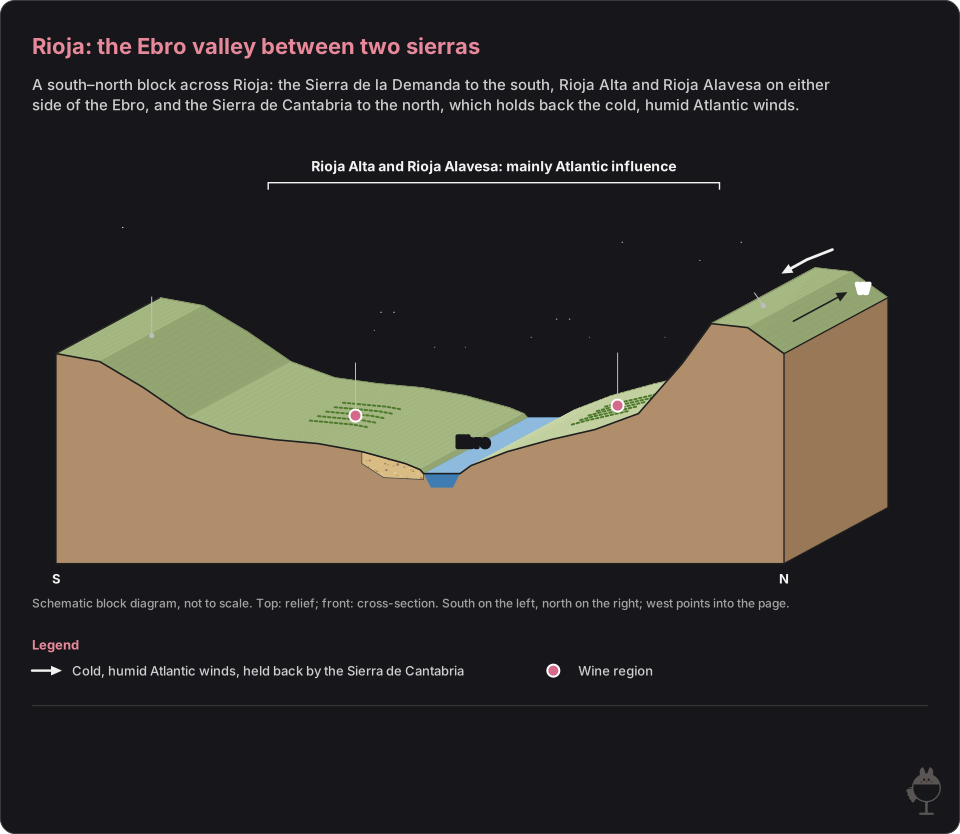
Rioja, Spain. Rioja: the Ebro valley between two sierras: Ebro, Sierra de la Demanda, Rioja Alta, Rioja Alavesa, Sierra de Cantabria, Rioja Alta and Rioja Alavesa: mainly Atlantic influence
Rioja · SpainDiagram: Maison Apéro Sources: Consejo Regulador DOCa Rioja — Geography and terroirs of Rioja · Consejo Regulador DOCa Rioja — QDO Rioja areas · Consejo Regulador DOCa Rioja — Pliego de condiciones de la DOP (DOCa) Rioja · Consejo Regulador DOCa Rioja — Rioja Oriental

Sensory & terroir profile

6-Axis Radar

Acidity Medium+ Tannin Medium Body Medium Alcohol Medium Flavourintensity Medium Finish Medium

3-Tier Aromas

● Primary (Varietal, Fruit & Flora):
FloralRed fruitBlack fruit

Climate & Landscape

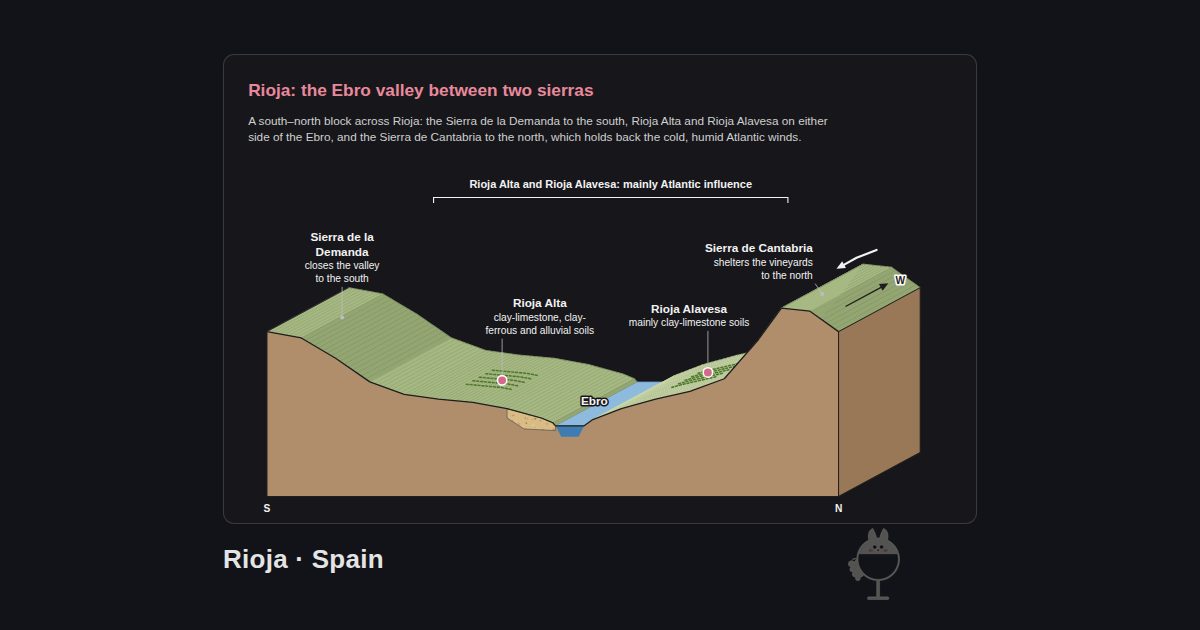
Rioja: the Ebro valley between two sierras: Ebro, Sierra de la Demanda, Rioja Alta, Rioja Alavesa, Sierra de Cantabria, Rioja Alta and Rioja Alavesa: mainly Atlantic influence

Schematic block diagram, not to scale: the top shows the relief and the front face a cross-section, coloured by soil and rock type.

  • Rioja’s vineyards line both banks of the upper Ebro, from Haro in the west to Alfaro in the east; the Sierra de Cantabria to the north holds back the cold, humid Atlantic winds, and the Demanda and Cameros ranges close the region to the south.
  • Rioja Alta and Rioja Alavesa are mainly under Atlantic influence; Rioja Oriental, further east, is shaped by the Mediterranean and is drier and warmer, on mainly alluvial and clay-ferrous soils.

Tasting review

From the review saved in Maison Apéro for this wine and vintage.

Structured tasting profile

How to read this profile: each attribute is recorded as one level on a fixed scale, for example Acidity: Low · Medium− · Medium · Medium+ · High. Attributes without a saved level are left out; nothing is estimated.

Clarity
Clear
Intensity
Medium
Color
Purple
Aroma intensity
Medium+
Development
Youthful
Sweetness
Dry
Acidity
Medium+
Tannin
Medium
Alcohol
Medium
Body
Medium
Flavour intensity
Medium
Finish
Medium
Quality
Good
Readiness for drinking
Drink now
Primary

Floral, Red fruit, Black fruit

Quality markers

✓ Balance

Up to 8 aromas across all three categories, with a target of 4–5 palate flavours. Only supported descriptors are listed; absences do not count as aromas. Red check counts are not scores.

Expert commentary

Youthful in colour with a purple tinge, it offers vivid aromas of fresh cherry and blackberry. On the palate, crisp acidity and supple tannins combine pleasantly in a light, approachable style.

Serving and ageing guide

The quality is good. Although it lacks marked complexity or a long finish, its lively acidity, smooth tannins and fruit show a pleasing, well-ordered balance. Aroma intensity is medium plus, with a generous spread, while flavour intensity is a lighter medium; together they support its youthful drinkability. In terms of readiness, it is at its best now and is not suitable for further ageing. As the style is made for the freshness of youthful fruit, it is best drunk within a few years. Serve slightly cool at 14–16°C and enjoy it straight after opening. Decanting is not needed; it pairs well with lighter meat dishes such as tapas, cured ham or grilled chicken.

Appearance

The wine is clear, of medium intensity, with a youthful, vivid purple colour. A bluish tinge remains at the rim, and the colour is sound and natural, without over-extraction.

Advanced analysis Grand

Nose

Tasting Review Example Réserve

Advanced analysis Grand

Palate

Tasting Review Example Réserve

Advanced analysis Grand

Quality

Tasting Review Example Réserve

Advanced analysis Grand

Readiness for drinking

Tasting Review Example Réserve

Advanced analysis Grand

Read Réserve and Grand sections by signing in to Maison Apéro with the corresponding plan.

Maison Apéro uses a multi-stage validation process. This tasting review is data-driven reference information created from wine information and analytical signals. Actual aromas, flavours and condition may vary by bottle, storage, service and individual perception, so it is not a definitive assessment.