Maison Media

Paul Hobbs Chardonnay Russian River Valley 2020

Updated ·

Paul Hobbs Chardonnay Russian River Valley 2020 is a white wine from Russian River Valley, United States, made from Chardonnay. In Maison Apéro’s structured tasting profile, the quality is “Very good” and the readiness for drinking is “Can drink, with potential”.

Producer
Paul Hobbs
Region
Russian River Valley · United States
Vintage
2020
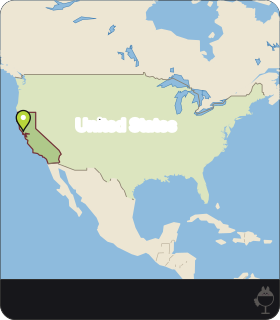
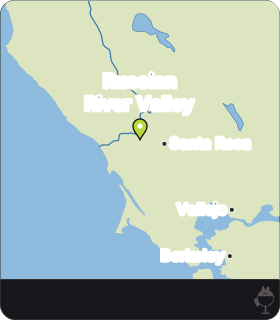
United States: map with a pin on Russian River ValleyRussian River Valley and its surroundings: map with a pin
Russian River Valley · United StatesMap: Maison Apéro, based on Natural Earth (public domain)

About Paul Hobbs Chardonnay Russian River Valley 2020

What grapes is Paul Hobbs Chardonnay Russian River Valley 2020 made from?

Paul Hobbs Chardonnay Russian River Valley 2020 is made from Chardonnay.

Where does Paul Hobbs Chardonnay Russian River Valley 2020 come from?

Paul Hobbs Chardonnay Russian River Valley 2020 comes from Russian River Valley, United States. It is made by Paul Hobbs.

How does Paul Hobbs Chardonnay Russian River Valley 2020 taste?

In Maison Apéro’s structured tasting profile, Paul Hobbs Chardonnay Russian River Valley 2020 is recorded with these levels — Sweetness: Dry; Acidity: Medium+; Alcohol: High; Body: Medium+; Flavour intensity: Medium+; Finish: Medium+. Aromas: Citrus fruit, Stone fruit, Green fruit, Yeast / lees, Malolactic, Oak, Bottle age (white).

When should you drink Paul Hobbs Chardonnay Russian River Valley 2020?

In Maison Apéro’s structured tasting profile, the readiness for drinking of Paul Hobbs Chardonnay Russian River Valley 2020 is “Can drink, with potential”.

Paul Hobbs is an acclaimed Sonoma County producer widely celebrated for site-expressive, single-vineyard and regional bottlings crafted with meticulous precision. Sourced from select cool-climate vineyards across the Russian River Valley, this Chardonnay captures the region's hallmark maritime fog and warm afternoon sunshine. The 2020 bottling represents indigenous yeast fermentation, full malolactic conversion, and maturation in fine French oak barriques, yielding a layered, concentrated, and richly textured expression of California Chardonnay.
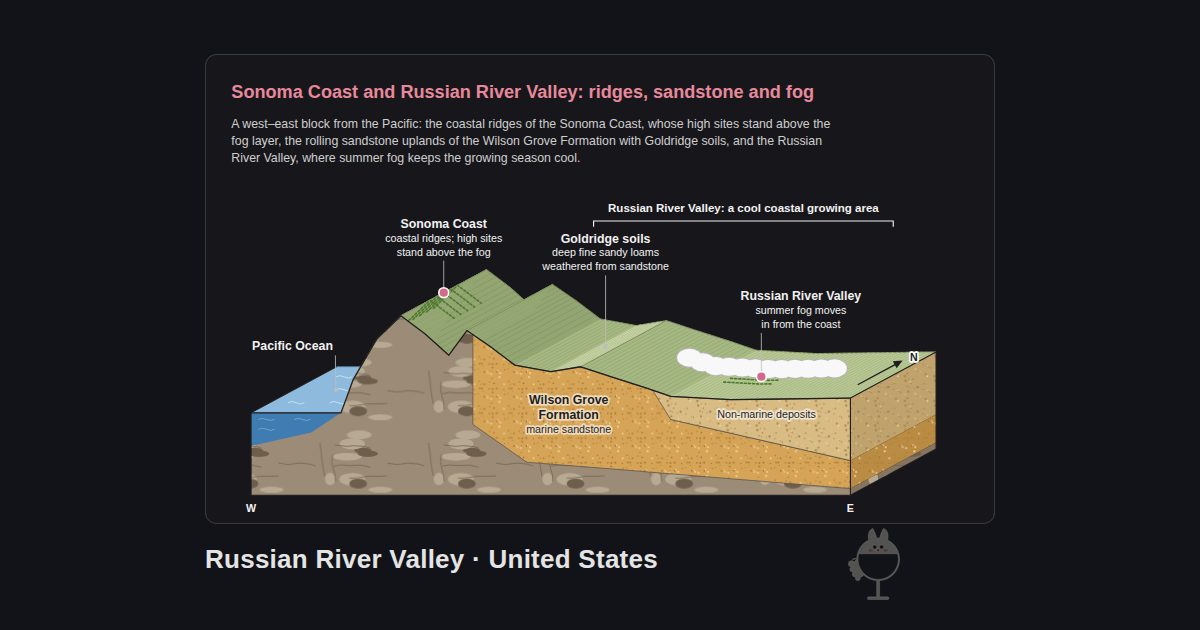
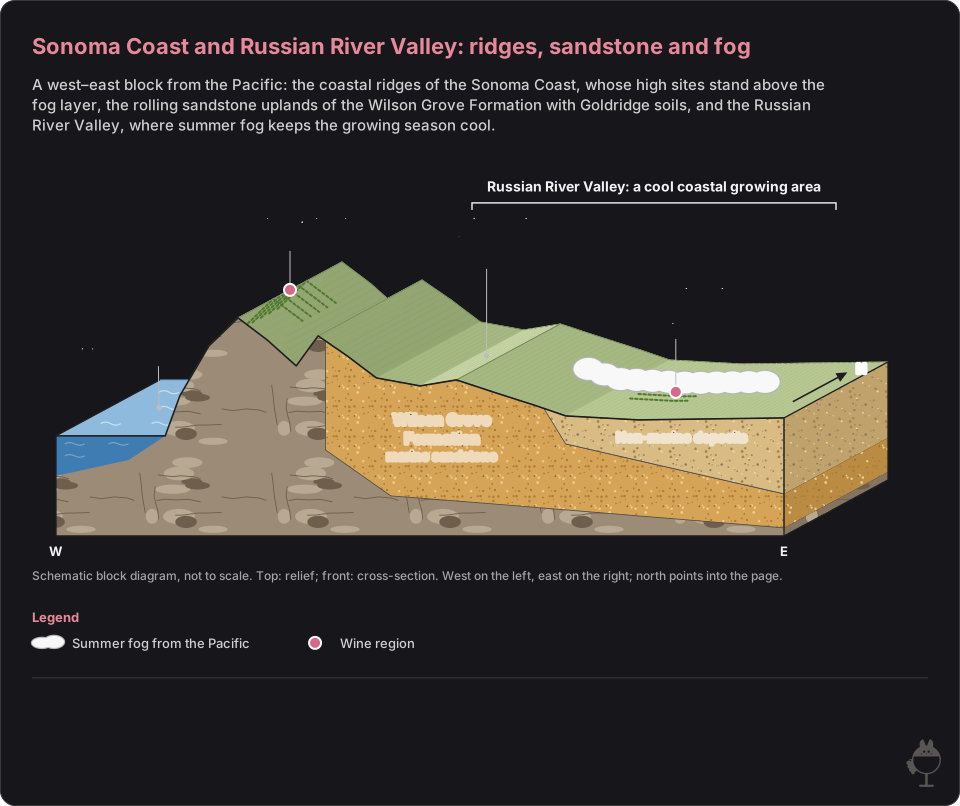
Russian River Valley, United States. Sonoma Coast and Russian River Valley: ridges, sandstone and fog: Pacific Ocean, Sonoma Coast, Goldridge soils, Russian River Valley, Wilson Grove Formation, Non-marine deposits, Russian River Valley: a cool coastal growing area
Russian River Valley · United StatesDiagram: Maison Apéro Sources: eCFR — 27 CFR 9.116 Sonoma Coast · Federal Register (23 May 2022) — West Sonoma Coast Viticultural Area (FR Doc. 2022-10590) · TTB — Russian River Valley Viticultural Area, final rule (T.D. ATF-159, 21 October 1983) · Federal Register (16 November 2011) — Expansions of the Russian River Valley and Northern Sonoma Viticultural Areas · USDA NRCS — Official Series Description: Goldridge series · U.S. Geological Survey Open-File Report 2008-1009 — Geologic and geophysical framework of the Santa Rosa 7.5′ quadrangle, Sonoma County, California · California Public Utilities Commission — Windsor Substation Project, Proponent’s Environmental Assessment, chapter 8: Geology

Sensory & terroir profile

6-Axis Radar

Acidity Medium+ Tannin Not measured Body Medium+ Alcohol High Flavourintensity Medium+ Finish Medium+

Tannin is not part of the evaluation of a white wine, so this axis is empty.

3-Tier Aromas

● Primary (Varietal, Fruit & Flora):
Citrus fruitStone fruitGreen fruit
● Secondary (Vinification, Yeast & Oak):
Yeast / leesMalolacticOak
● Tertiary (Bottle Age & Bouquet):
Bottle age (white)

Climate & Landscape

Sonoma Coast and Russian River Valley: ridges, sandstone and fog: Pacific Ocean, Sonoma Coast, Goldridge soils, Russian River Valley, Wilson Grove Formation, Non-marine deposits, Russian River Valley: a cool coastal growing area

Schematic block diagram, not to scale: the top shows the relief and the front face a cross-section, coloured by soil and rock type.

  • The Russian River Valley was defined as a cool coastal growing area into which early-morning fog intrudes; later work found that much of the summer fog is blown in through the Petaluma Gap, north towards Santa Rosa and north-west towards Sebastopol.
  • In the coastal ranges of western Sonoma, high sites stand above the fog layer, while ridgelines shelter lower slopes from the heaviest marine fog.
  • Goldridge soils are deep, moderately well-drained fine sandy loams formed from weakly consolidated sandstone on rolling uplands; the marine sandstone of the Wilson Grove Formation crops out west of the Santa Rosa Plain and dips beneath it, under younger river, lake and alluvial deposits.

Tasting review

From the review saved in Maison Apéro for this wine and vintage.

Structured tasting profile

How to read this profile: each attribute is recorded as one level on a fixed scale, for example Acidity: Low · Medium− · Medium · Medium+ · High. Attributes without a saved level are left out; nothing is estimated.

Clarity
Clear
Intensity
Medium
Color
Lemon
Aroma intensity
Medium+
Development
Developing
Sweetness
Dry
Acidity
Medium+
Alcohol
High
Body
Medium+
Flavour intensity
Medium+
Finish
Medium+
Quality
Very good
Readiness for drinking
Can drink, with potential
Primary

Citrus fruit, Stone fruit, Green fruit

Secondary

Yeast / lees, Malolactic, Oak

Tertiary

Bottle age (white)

Quality markers

✓ Balance, ✓ Length, ✓ Intensity, ✓ Complexity

Up to 8 aromas across all three categories, with a target of 4–5 palate flavours. Only supported descriptors are listed; absences do not count as aromas. Red check counts are not scores.

Expert commentary

The wine presents a focused balance between ripe stone fruit, crisp citrus, and integrated French oak influences such as toasted hazelnut and brioche. On the palate, vibrant coastal acidity offsets the broad, lees-stirred texture and elevated alcohol, delivering depth and sustained tension throughout a lingering finish.

Serving and ageing guide

This wine demonstrates very good quality, exhibiting harmony between its concentrated fruit core and structural framework. The aroma intensity is medium plus, displaying layered primary citrus and stone orchard fruits alongside secondary oak and tertiary development. The palate flavour intensity is equally medium plus, matching the nose seamlessly while offering expansive textural depth and a long, seamless finish. It is suitable to drink now but has ageing potential over the next 4 to 6 years, as its sound concentration and bright acidity will comfortably integrate further bottle bouquet. Serve at 10-12°C in a broad Burgundy bowl to let the aromatics unfold; gentle aeration or a brief 20-minute decant will enhance its aromatic range. Pair this generous white with pan-seared sea scallops in brown butter, roasted turbot with beurre blanc, or butter-basted poultry with wild morel mushrooms.

Appearance

Phrases the assessment is based on

The wine is Assessment evidence clear and shows a Assessment evidence medium lemon colour with brilliant, pale gold highlights towards the rim.

Advanced analysis Grand

Nose

Tasting Review Example Réserve

Advanced analysis Grand

Palate

Tasting Review Example Réserve

Advanced analysis Grand

Quality

Tasting Review Example Réserve

Advanced analysis Grand

Readiness for drinking

Tasting Review Example Réserve

Advanced analysis Grand

Read Réserve and Grand sections by signing in to Maison Apéro with the corresponding plan.

Maison Apéro uses a multi-stage validation process. This tasting review is data-driven reference information created from wine information and analytical signals. Actual aromas, flavours and condition may vary by bottle, storage, service and individual perception, so it is not a definitive assessment.