Maison Media

Broccardo I Tre Pais Barolo 2019

Updated ·

Broccardo I Tre Pais Barolo 2019 is a red wine from Barolo, Italy, made from Nebbiolo. In Maison Apéro’s structured tasting profile, the quality is “Very good” and the readiness for drinking is “Can drink, with potential”.
Producer
Broccardo
Region
Barolo · Italy
Vintage
2019
Grapes
Nebbiolo
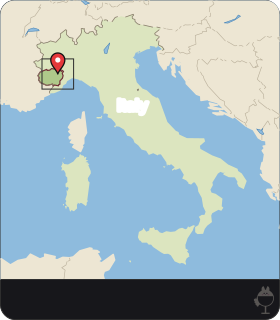
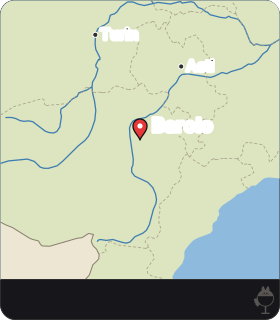
Italy: map with a pin on BaroloBarolo and its surroundings: map with a pin
Barolo · ItalyMap: Maison Apéro, based on Natural Earth (public domain)

About Broccardo I Tre Pais Barolo 2019

What grapes is Broccardo I Tre Pais Barolo 2019 made from?

Broccardo I Tre Pais Barolo 2019 is made from Nebbiolo.

Where does Broccardo I Tre Pais Barolo 2019 come from?

Broccardo I Tre Pais Barolo 2019 comes from Barolo, Italy. It is made by Broccardo.

How does Broccardo I Tre Pais Barolo 2019 taste?

In Maison Apéro’s structured tasting profile, Broccardo I Tre Pais Barolo 2019 is recorded with these levels — Sweetness: Dry; Acidity: High; Tannin: High; Alcohol: High; Body: Medium+; Flavour intensity: Medium+; Finish: Long. Aromas: Floral, Red fruit, Spice, Oak, Dried / cooked fruit, Bottle age (red).

When should you drink Broccardo I Tre Pais Barolo 2019?

In Maison Apéro’s structured tasting profile, the readiness for drinking of Broccardo I Tre Pais Barolo 2019 is “Can drink, with potential”.

Broccardo's 'I Tre Pais' Barolo represents a classic multi-commune cuvee, blending Nebbiolo fruit from estate vineyards across Monforte d'Alba, Barolo, and Novello. Founded in 1900, the family-run estate produces structured, terroir-driven Langhe wines. The 2019 vintage highlights the hallmark tension, firm structure, and aromatic clarity of a benchmark continental growing season in Piedmont.
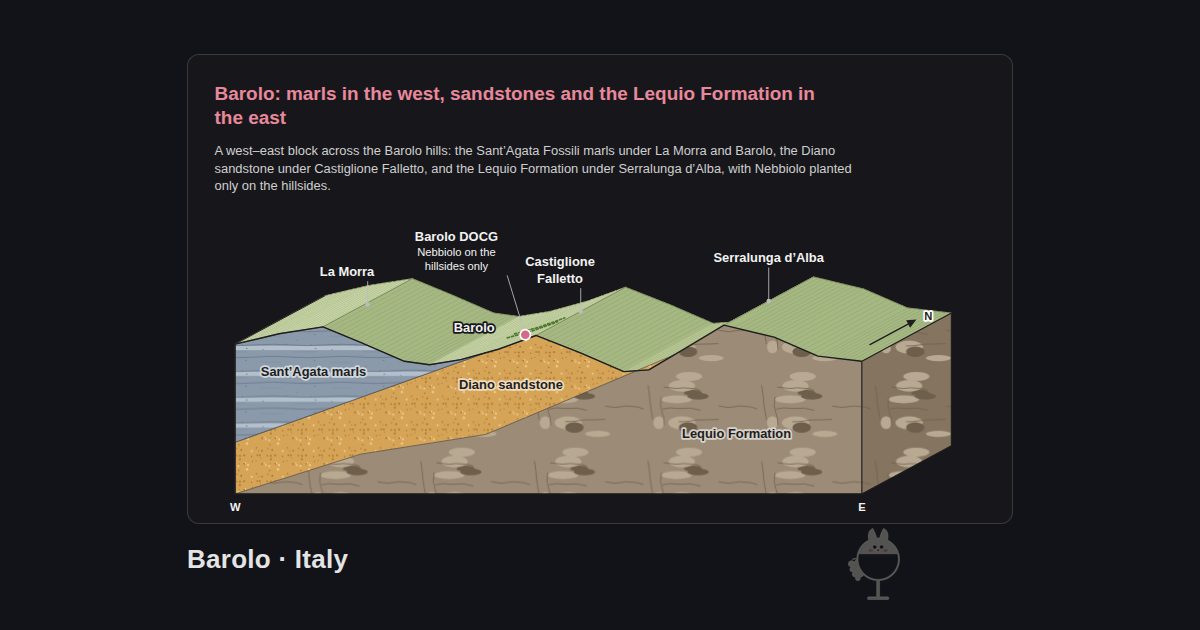
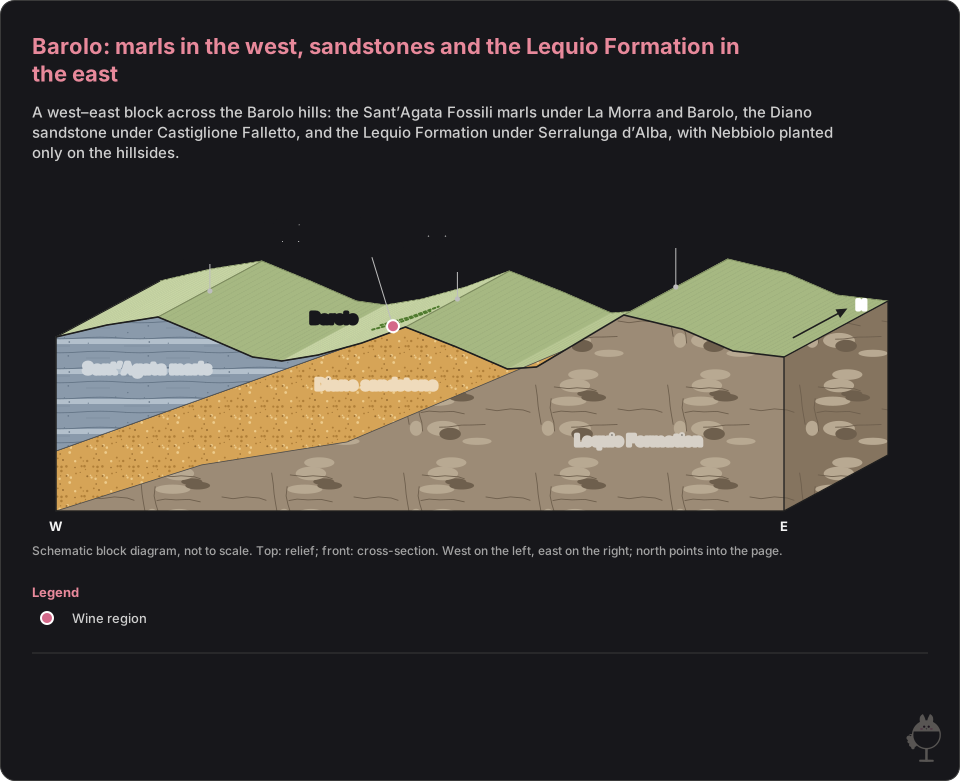
Barolo, Italy. Barolo: marls in the west, sandstones and the Lequio Formation in the east: La Morra, Barolo, Castiglione Falletto, Serralunga d’Alba, Barolo DOCG, Sant’Agata marls, Diano sandstone, Lequio Formation
Barolo · ItalyDiagram: Maison Apéro Sources: Strada del Barolo e grandi vini di Langa — The Nebbiolo terroir · Consorzio di Tutela Barolo Barbaresco Alba Langhe e Dogliani — Production regulations for “Barolo” DOCG (English)

Sensory & terroir profile

6-Axis Radar

Acidity High Tannin High Body Medium+ Alcohol High Flavourintensity Medium+ Finish Long

3-Tier Aromas

● Primary (Varietal, Fruit & Flora):
FloralRed fruitSpice
● Secondary (Vinification, Yeast & Oak):
Oak
● Tertiary (Bottle Age & Bouquet):
Dried / cooked fruitBottle age (red)

Climate & Landscape

Barolo: marls in the west, sandstones and the Lequio Formation in the east: La Morra, Barolo, Castiglione Falletto, Serralunga d’Alba, Barolo DOCG, Sant’Agata marls, Diano sandstone, Lequio Formation

Schematic block diagram, not to scale: the top shows the relief and the front face a cross-section, coloured by soil and rock type.

  • The Sant’Agata Fossili marls, clay-rich with smaller shares of sand and limestone, lie under La Morra and Barolo; the Diano sandstone under the hills of Castiglione Falletto and part of Monforte; and the Lequio Formation under part of Monforte and Serralunga d’Alba.
  • Barolo is made only from Nebbiolo grown on hillsides; the rules call for clayey and/or calcareous soils and exclude new north-facing plantings.
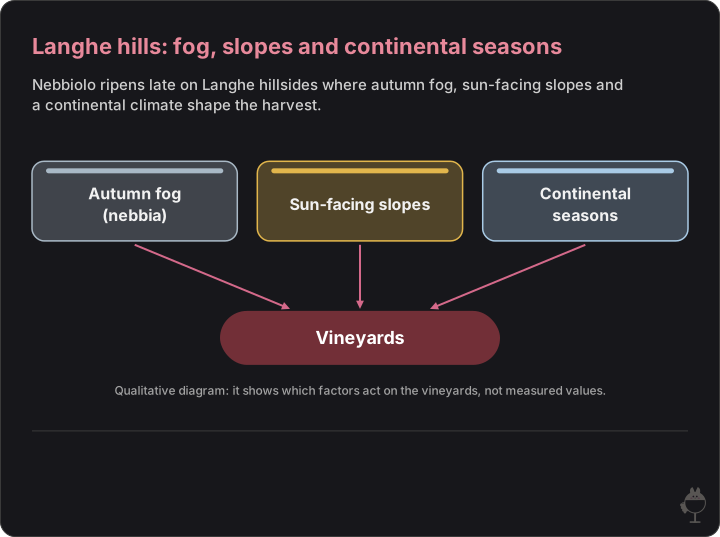
Langhe hills: fog, slopes and continental seasons: Autumn fog (nebbia), Sun-facing slopes, Continental seasons → Vineyards

Nebbiolo ripens late on Langhe hillsides where autumn fog, sun-facing slopes and a continental climate shape the harvest.

  • Autumn fog (nebbia)

    From late September the valleys fill with morning fog. Nebbiolo, picked in October, finishes ripening through cool, humid mornings and warm afternoons.

  • Sun-facing slopes

    Vineyards climb the hillsides; the finest parcels face south to south-west and are named for their sun (sorì).

  • Continental seasons

    Hot summers and cold winters, with warm autumn days and cold nights, preserve Nebbiolo’s acidity and aromatics.

Sources: Consorzio di Tutela Barolo Barbaresco Alba Langhe e Dogliani · Langhe Vini — Clima e geologia · Langhe Vini — Nebbiolo

Tasting review

From the review saved in Maison Apéro for this wine and vintage.

Structured tasting profile

How to read this profile: each attribute is recorded as one level on a fixed scale, for example Acidity: Low · Medium− · Medium · Medium+ · High. Attributes without a saved level are left out; nothing is estimated.

Clarity
Clear
Intensity
Medium
Color
Garnet
Aroma intensity
Medium+
Development
Developing
Sweetness
Dry
Acidity
High
Tannin
High
Alcohol
High
Body
Medium+
Flavour intensity
Medium+
Finish
Long
Quality
Very good
Readiness for drinking
Can drink, with potential
Primary

Floral, Red fruit, Spice

Secondary

Oak

Tertiary

Dried / cooked fruit, Bottle age (red)

Quality markers

✓ Balance, ✓ Length, ✓ Intensity, ✓ Complexity

Up to 8 aromas across all three categories, with a target of 4–5 palate flavours. Only supported descriptors are listed; absences do not count as aromas. Red check counts are not scores.

Expert commentary

The wine displays textbook Nebbiolo hallmarks: vibrant red cherry, rose petal, and savory spice driven by energetic, high acidity. Muscular tannins and high alcohol provide formidable architecture without obscuring the wine's detailed floral and earth tones.

Serving and ageing guide

This wine is assessed as very good quality. Its nose intensity is medium plus, offering nuanced dried rose and cherry aromatics that closely match its medium plus palate intensity. A firm balance is achieved as brisk acidity and elevated alcohol cleanly support the dense, ripe tannins, culminating in a persistent, savory finish. While concentrated and expressive, it lacks the multi-dimensional depth required for an outstanding grade. Regarding drinking readiness, the wine can drink now but has potential for ageing. The formidable 2019 tannin framework and high acidity allow it to evolve comfortably for another 8 to 12 years. If opened today, decant for 1 to 2 hours and serve at 16–18°C alongside braised beef shank, wild boar ragu, or aged Castelmagno cheese.

Appearance

Phrases the assessment is based on

The wine is Assessment evidence clear, exhibiting a Assessment evidence medium garnet core with a slight brick rim.

Advanced analysis Grand

Nose

Tasting Review Example Réserve

Advanced analysis Grand

Palate

Tasting Review Example Réserve

Advanced analysis Grand

Quality

Tasting Review Example Réserve

Advanced analysis Grand

Readiness for drinking

Tasting Review Example Réserve

Advanced analysis Grand

Read Réserve and Grand sections by signing in to Maison Apéro with the corresponding plan.

Maison Apéro uses a multi-stage validation process. This tasting review is data-driven reference information created from wine information and analytical signals. Actual aromas, flavours and condition may vary by bottle, storage, service and individual perception, so it is not a definitive assessment.