
Maison Media
Jean-Maurice Raffault Chinon Les Galuches 2023
Updated ·
Jean-Maurice Raffault Chinon Les Galuches 2023 is a wine from Chinon, Loire, France, made from Cabernet Franc.
- Producer
- Jean-Maurice Raffault
- Region
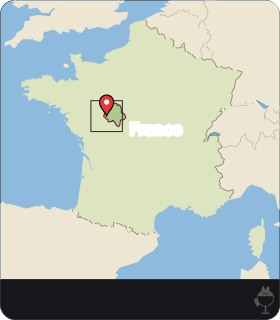
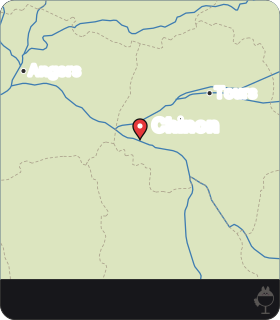
- Chinon, Loire · France
- Vintage
- 2023
- Grapes
- Cabernet Franc
About Jean-Maurice Raffault Chinon Les Galuches 2023
What grapes is Jean-Maurice Raffault Chinon Les Galuches 2023 made from?
Jean-Maurice Raffault Chinon Les Galuches 2023 is made from Cabernet Franc.
Where does Jean-Maurice Raffault Chinon Les Galuches 2023 come from?
Jean-Maurice Raffault Chinon Les Galuches 2023 comes from Chinon, Loire, France. It is made by Jean-Maurice Raffault.
Domaine Jean-Maurice Raffault is an established family estate in Chinon, farming prime vineyard plots across several distinct terroirs along the Vienne river. The cuvée Les Galuches comes from an alluvial plain of sand and gravel, a soil composition known for absorbing daytime heat and draining rapidly. This microclimate fosters early ripening in Cabernet Franc, producing an exceptionally supple, fragrant, and accessible expression of Chinon that highlights aromatic purity and soft structural lines.
Compare the variety named in the source with what you actually smell. A grape name alone does not establish the aromas in a particular glass.
Sources
- Domaine Jean-Maurice Raffault — Les GaluchesFactual reference with original Maison wording; no reproduced images or quotations
- WINE plus COLLEGE — 2023 Les Galuches listingFactual reference with original Maison wording; no reproduced images or quotations

Sensory & terroir profile
Not measured — No structured evaluation has been saved for this wine yet, so nothing is drawn. This does not mean nothing was detected.
Not measured — No structured evaluation has been saved for this wine yet, so nothing is drawn. This does not mean nothing was detected.
No soil cross-section is shown for this wine.
No climate data is shown for this wine.
Terroir at a glance
- Soil
- Not shown for this wine
- Climate
- Not shown for this wine
- Topography (slope)
- Not shown for this wine
- Elevation
- Not shown for this wine
- Aspect
- Not shown for this wine
Only sourced values are shown; items without one are left as they are, not estimated.