Maison Media

Kanonkop Kadette Pinotage, Stellenbosch 2024

Updated ·

Kanonkop Kadette Pinotage, Stellenbosch 2024 is a red wine from Stellenbosch, South Africa, made from Pinotage. In Maison Apéro’s structured tasting profile, the quality is “Very good” and the readiness for drinking is “Can drink, with potential”.

Producer
Kanonkop
Region
Stellenbosch · South Africa
Vintage
2024
Grapes
Pinotage
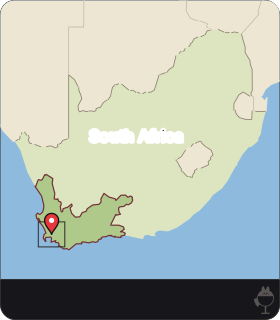
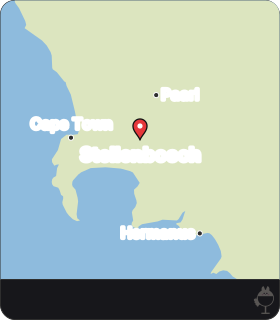
South Africa: map with a pin on StellenboschStellenbosch and its surroundings: map with a pin
Stellenbosch · South AfricaMap: Maison Apéro, based on Natural Earth (public domain)

About Kanonkop Kadette Pinotage, Stellenbosch 2024

What grapes is Kanonkop Kadette Pinotage, Stellenbosch 2024 made from?

Kanonkop Kadette Pinotage, Stellenbosch 2024 is made from Pinotage.

Where does Kanonkop Kadette Pinotage, Stellenbosch 2024 come from?

Kanonkop Kadette Pinotage, Stellenbosch 2024 comes from Stellenbosch, South Africa. It is made by Kanonkop.

How does Kanonkop Kadette Pinotage, Stellenbosch 2024 taste?

In Maison Apéro’s structured tasting profile, Kanonkop Kadette Pinotage, Stellenbosch 2024 is recorded with these levels — Sweetness: Dry; Acidity: Medium+; Tannin: Medium+; Alcohol: High; Body: Medium+; Flavour intensity: Medium+; Finish: Medium+. Aromas: Red fruit, Black fruit, Spice, Oak.

When should you drink Kanonkop Kadette Pinotage, Stellenbosch 2024?

In Maison Apéro’s structured tasting profile, the readiness for drinking of Kanonkop Kadette Pinotage, Stellenbosch 2024 is “Can drink, with potential”.

Kanonkop is one of South Africa's premier estates, based at the foot of the Simonsberg Mountains in Stellenbosch. Globally recognized as a benchmark for Pinotage, Kadette is a second-range cuvée utilizing younger vines to combine approachability with concentration. It is crafted through traditional open-top fermentation with manual punch-downs and French oak barrel maturation.
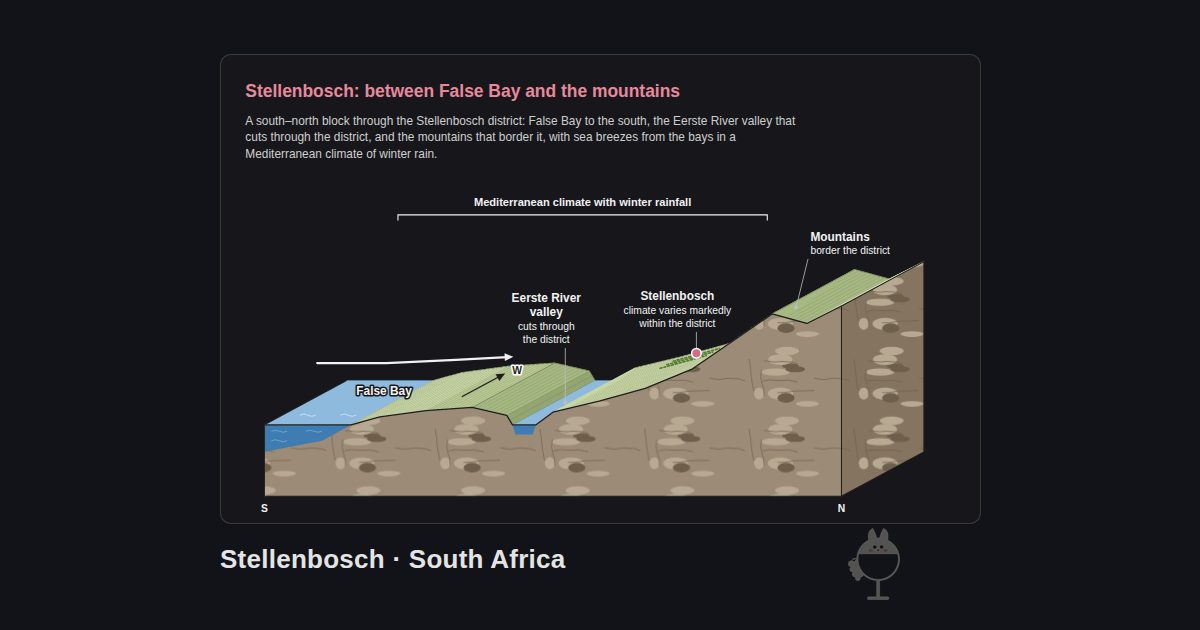
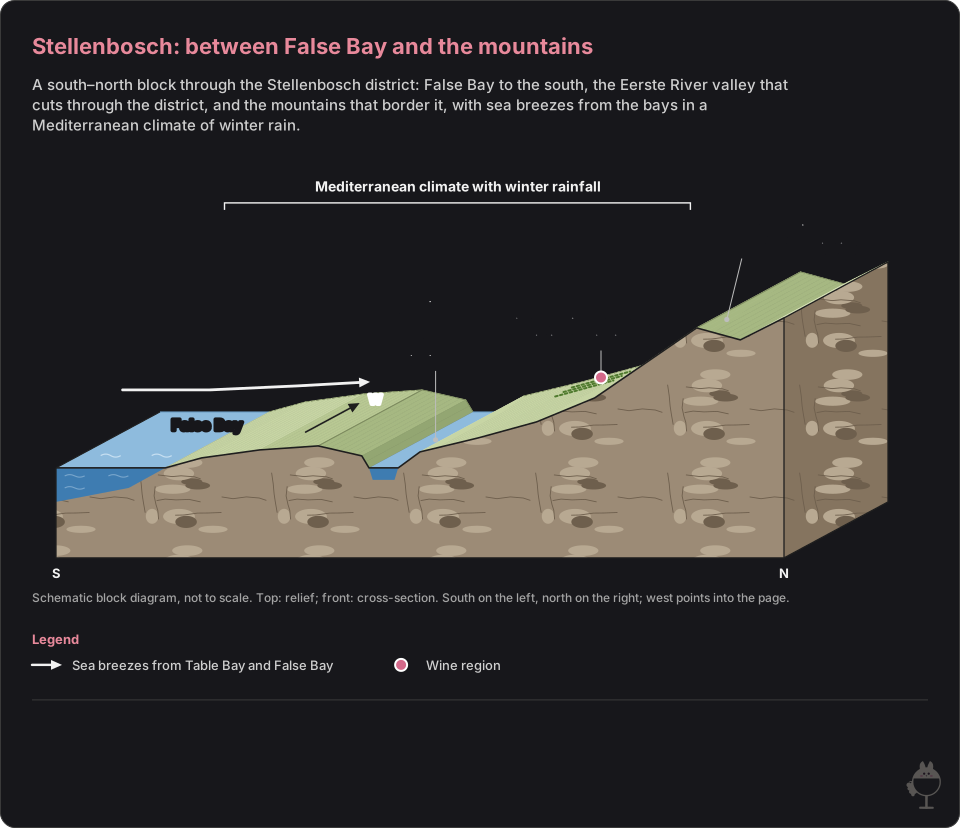
Stellenbosch, South Africa. Stellenbosch: between False Bay and the mountains: False Bay, Mountains, Stellenbosch, Eerste River valley, Mediterranean climate with winter rainfall
Stellenbosch · South AfricaDiagram: Maison Apéro Sources: Carey, Saayman, Archer, Barbeau, Wallace (2008) — Viticultural terroirs in Stellenbosch, South Africa. I. The identification of natural terroir units (J. Int. Sci. Vigne Vin / OENO One) · Bonnardot & Cautenet (2009) — Mesoscale atmospheric modeling using a high horizontal grid resolution over a complex coastal terrain and a wine region of South Africa (J. Appl. Meteor. Climatol. 48) · S. Afr. J. Enol. Vitic. 35(2), 2014 — Integrative effects of vine water relations and grape ripeness level of Vitis vinifera L. cv. Shiraz/Richter 99. I.

Sensory & terroir profile

6-Axis Radar

Acidity Medium+ Tannin Medium+ Body Medium+ Alcohol High Flavourintensity Medium+ Finish Medium+

3-Tier Aromas

● Primary (Varietal, Fruit & Flora):
Red fruitBlack fruitSpice
● Secondary (Vinification, Yeast & Oak):
Oak

Climate & Landscape

Stellenbosch: between False Bay and the mountains: False Bay, Mountains, Stellenbosch, Eerste River valley, Mediterranean climate with winter rainfall

Schematic block diagram, not to scale: the top shows the relief and the front face a cross-section, coloured by soil and rock type.

  • The Stellenbosch district is bordered by mountains, lies close to the ocean and is cut through by the Eerste River valley, so every climatic parameter varies markedly within it.
  • In a modelling study of a summer day during ripening, one sea breeze developed from Table Bay late in the morning and another from False Bay later in the afternoon.

Tasting review

From the review saved in Maison Apéro for this wine and vintage.

Structured tasting profile

How to read this profile: each attribute is recorded as one level on a fixed scale, for example Acidity: Low · Medium− · Medium · Medium+ · High. Attributes without a saved level are left out; nothing is estimated.

Clarity
Clear
Intensity
Deep
Color
Purple
Aroma intensity
Medium+
Development
Youthful
Sweetness
Dry
Acidity
Medium+
Tannin
Medium+
Alcohol
High
Body
Medium+
Flavour intensity
Medium+
Finish
Medium+
Quality
Very good
Readiness for drinking
Can drink, with potential
Primary

Red fruit, Black fruit, Spice

Secondary

Oak

Quality markers

✓ Balance, ✓ Length, ✓ Intensity

Up to 8 aromas across all three categories, with a target of 4–5 palate flavours. Only supported descriptors are listed; absences do not count as aromas. Red check counts are not scores.

Expert commentary

It features a deep appearance with a purplish tint, offering rich aromas of ripe black fruit, spices, and oak-derived toasted nuances. The palate is rich, supported by a high alcohol level of 14.0% and firm tannins balanced by fresh acidity, demonstrating excellent harmony.

Serving and ageing guide

Although robust fruit and tannins come to the foreground due to its youth in the year following harvest, the fruit concentration and acid structure are well-adjusted, making it enjoyable now while holding potential for further bottle aging. Because it is slightly tight immediately after opening, decanting 30 minutes prior is desirable, and serving at 16-18°C allows the rich aromas to expand. It is expected to develop a smoother texture over the next 3 to 5 years. For food pairings, it goes well with flavorful meat dishes such as sweet and savory glazed barbecue ribs or roast venison. In terms of quality, both aroma and flavor intensity match at a powerful level, with concentrated plum, spice, and oak flavors leading into a persistent finish. High alcohol and medium-plus tannins are comfortably harmonized by rich fruit and acidity, showing a well-crafted finish.

Appearance

Phrases the assessment is based on

The appearance is Assessment evidence clear and deep purple.

Advanced analysis Grand

Nose

Tasting Review Example Réserve

Advanced analysis Grand

Palate

Tasting Review Example Réserve

Advanced analysis Grand

Quality

Tasting Review Example Réserve

Advanced analysis Grand

Readiness for drinking

Tasting Review Example Réserve

Advanced analysis Grand

Read Réserve and Grand sections by signing in to Maison Apéro with the corresponding plan.

Maison Apéro uses a multi-stage validation process. This tasting review is data-driven reference information created from wine information and analytical signals. Actual aromas, flavours and condition may vary by bottle, storage, service and individual perception, so it is not a definitive assessment.