Maison Media

Girolamo Conforti '1570 Libellus de Vino Mordaci' Franciacorta Brut

Updated ·

Girolamo Conforti '1570 Libellus de Vino Mordaci' Franciacorta Brut is a white wine from Franciacorta, Italy, made from Chardonnay and Pinot Nero. In Maison Apéro’s structured tasting profile, the quality is “Very good” and the readiness for drinking is “Can drink, with potential”.

Region
Franciacorta · Italy
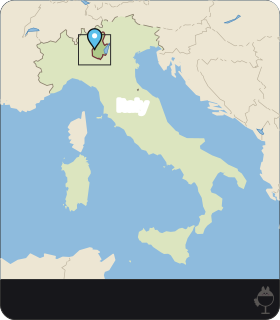
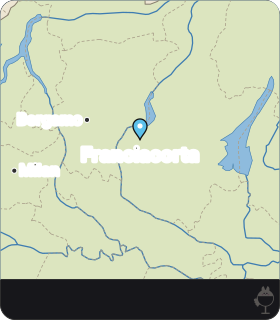
Italy: map with a pin on FranciacortaFranciacorta and its surroundings: map with a pin
Franciacorta · ItalyMap: Maison Apéro, based on Natural Earth (public domain)

About Girolamo Conforti '1570 Libellus de Vino Mordaci' Franciacorta Brut

What grapes is Girolamo Conforti '1570 Libellus de Vino Mordaci' Franciacorta Brut made from?

Girolamo Conforti '1570 Libellus de Vino Mordaci' Franciacorta Brut is made from Chardonnay and Pinot Nero.

Where does Girolamo Conforti '1570 Libellus de Vino Mordaci' Franciacorta Brut come from?

Girolamo Conforti '1570 Libellus de Vino Mordaci' Franciacorta Brut comes from Franciacorta, Italy. It is made by Girolamo Conforti.

How does Girolamo Conforti '1570 Libellus de Vino Mordaci' Franciacorta Brut taste?

In Maison Apéro’s structured tasting profile, Girolamo Conforti '1570 Libellus de Vino Mordaci' Franciacorta Brut is recorded with these levels — Sweetness: Dry; Acidity: High; Alcohol: Medium; Body: Medium; Flavour intensity: Medium+; Finish: Medium+. Aromas: Citrus fruit, Green fruit, Stone fruit, Yeast / lees, Mineral, Bottle age (white).

When should you drink Girolamo Conforti '1570 Libellus de Vino Mordaci' Franciacorta Brut?

In Maison Apéro’s structured tasting profile, the readiness for drinking of Girolamo Conforti '1570 Libellus de Vino Mordaci' Franciacorta Brut is “Can drink, with potential”.

Girolamo Conforti '1570 Libellus de Vino Mordaci' Franciacorta Brut pays tribute to the sixteenth-century Brescian physician whose treatise documented early sparkling wine production. Crafted in Lombardy's Franciacorta DOCG primarily from Chardonnay with Pinot Nero, this metodo classico cuvée undergoes extended lees ageing to achieve autolytic depth alongside crystalline Alpine-influenced freshness.
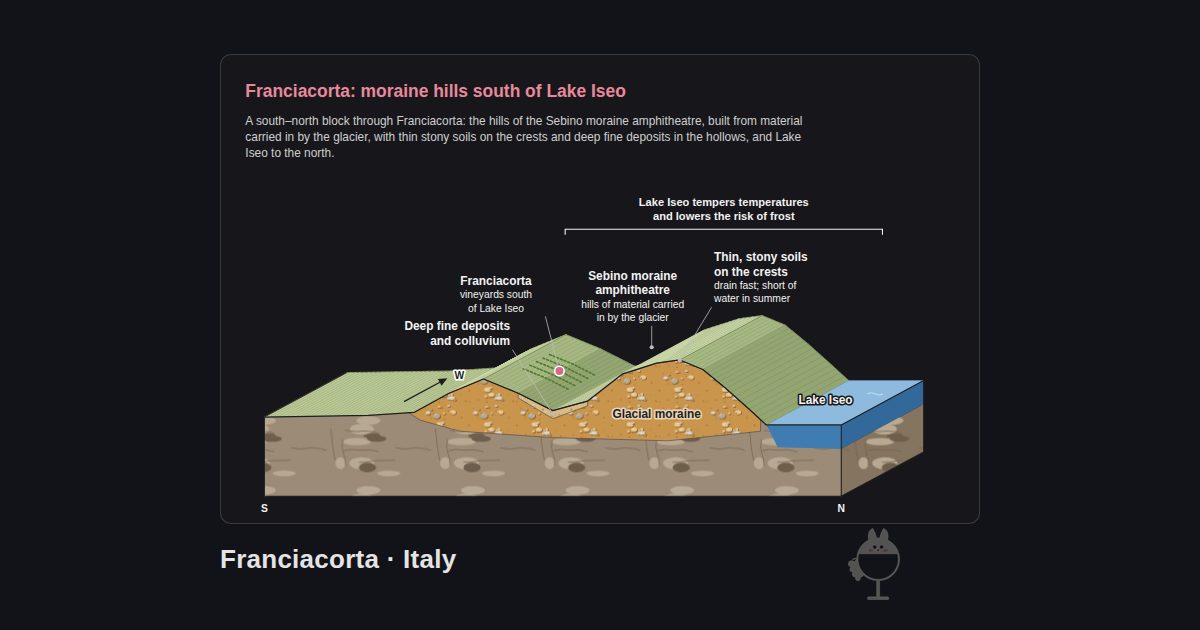
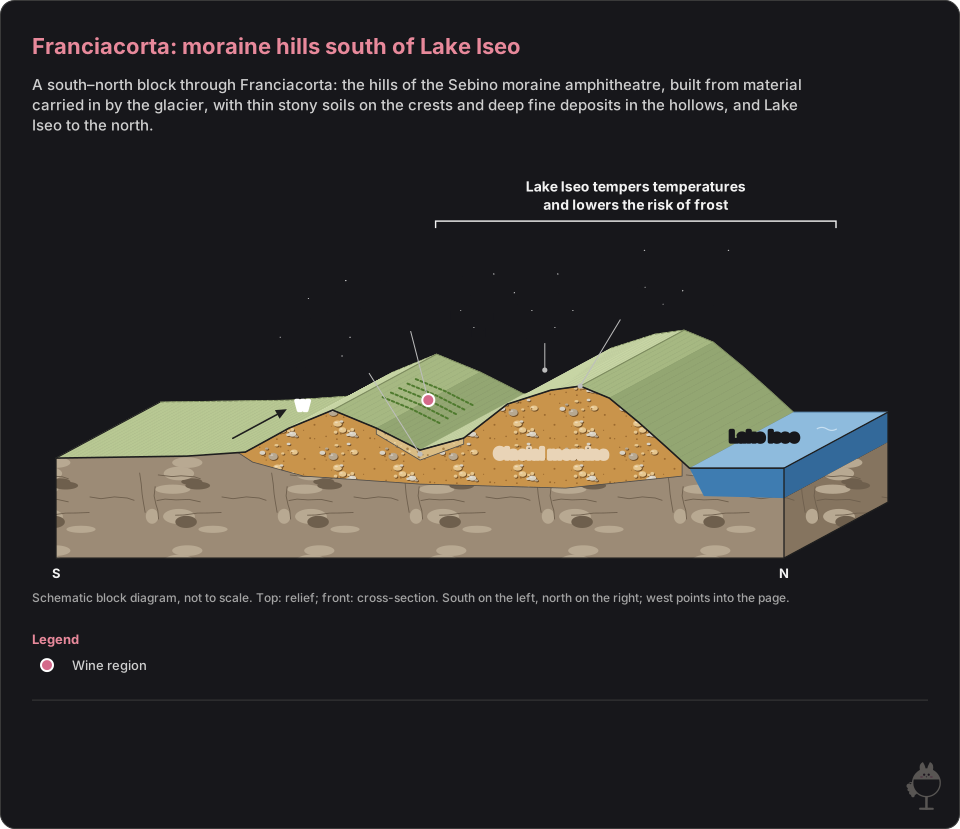
Franciacorta, Italy. Franciacorta: moraine hills south of Lake Iseo: Deep fine deposits and colluvium, Lake Iseo, Sebino moraine amphitheatre, Thin, stony soils on the crests, Franciacorta, Glacial moraine, Lake Iseo tempers temperatures and lowers the risk of frost
Franciacorta · ItalyDiagram: Maison Apéro Sources: Consorzio per la tutela del Franciacorta — Disciplinare di produzione della DOCG Franciacorta (Allegato A, version of 07/05/2024) · Consorzio per la tutela del Franciacorta — Zonazione (unità vocazionali) · ISPRA — Carta Geologica d’Italia alla scala 1:50.000, Note illustrative del Foglio 099 Iseo

Sensory & terroir profile

6-Axis Radar

Acidity High Tannin Not measured Body Medium Alcohol Medium Flavourintensity Medium+ Finish Medium+

Tannin is not part of the evaluation of a white wine, so this axis is empty.

3-Tier Aromas

● Primary (Varietal, Fruit & Flora):
Citrus fruitGreen fruitStone fruitMineral
● Secondary (Vinification, Yeast & Oak):
Yeast / lees
● Tertiary (Bottle Age & Bouquet):
Bottle age (white)

Climate & Landscape

Franciacorta: moraine hills south of Lake Iseo: Deep fine deposits and colluvium, Lake Iseo, Sebino moraine amphitheatre, Thin, stony soils on the crests, Franciacorta, Glacial moraine, Lake Iseo tempers temperatures and lowers the risk of frost

Schematic block diagram, not to scale: the top shows the relief and the front face a cross-section, coloured by soil and rock type.

  • Franciacorta lies south of Lake Iseo, on the hills of the Sebino moraine amphitheatre; most of its soils formed from material carried in by the glacier.
  • The Consorzio’s zoning divides the soils into six units, from thin, stony moraine on crests and steeper slopes, which drains quickly and can run short of water in summer, to deep fine deposits and colluvium.
  • Lake Iseo brings milder mean temperatures and a lower risk of frost; the rules exclude vineyards above an altitude limit.

Tasting review

From the review saved in Maison Apéro for this wine and vintage.

Structured tasting profile

How to read this profile: each attribute is recorded as one level on a fixed scale, for example Acidity: Low · Medium− · Medium · Medium+ · High. Attributes without a saved level are left out; nothing is estimated.

Clarity
Clear
Intensity
Pale
Color
Lemon
Aroma intensity
Medium+
Development
Developing
Sweetness
Dry
Acidity
High
Alcohol
Medium
Body
Medium
Flavour intensity
Medium+
Finish
Medium+
Quality
Very good
Readiness for drinking
Can drink, with potential
Primary

Citrus fruit, Green fruit, Stone fruit, Mineral

Secondary

Yeast / lees

Tertiary

Bottle age (white)

Quality markers

✓ Balance, ✓ Length, ✓ Intensity, ✓ Complexity

Up to 8 aromas across all three categories, with a target of 4–5 palate flavours. Only supported descriptors are listed; absences do not count as aromas. Red check counts are not scores.

Expert commentary

The wine presents vibrant lemon and orchard fruit nuanced by pronounced brioche and crushed chalk. A creamy mousse balances bracing acidity and a moderate dosage, leading to a lingering, savoury finish.

Serving and ageing guide

This Franciacorta Brut is of very good quality. The palate displays admirable balance between crisp, linear acidity and the softening richness of extended lees contact. Aroma and flavour intensity are aligned at medium-plus, expressing layered green apple, lemon curd, toasted brioche, and hazelnut. The finish demonstrates notable persistence and mineral tension, although it lacks the transcendent depth of top vintage riserva bottlings. While delicious now for its vivacity and autolytic character, the wine has the structural concentration to develop further complexity. Serve chilled at 8–10°C in a curved white wine glass rather than a narrow flute to let the aromatics unfold. Decanting is unnecessary. It pairs seamlessly with seafood risotto, poached turbot, or aged Parmigiano-Reggiano.

Appearance

Phrases the assessment is based on

The wine is Assessment evidence clear, Assessment evidence pale lemon in colour with a fine, persistent stream of delicate bubbles.

Advanced analysis Grand

Nose

Tasting Review Example Réserve

Advanced analysis Grand

Palate

Tasting Review Example Réserve

Advanced analysis Grand

Quality

Tasting Review Example Réserve

Advanced analysis Grand

Readiness for drinking

Tasting Review Example Réserve

Advanced analysis Grand

Read Réserve and Grand sections by signing in to Maison Apéro with the corresponding plan.

Maison Apéro uses a multi-stage validation process. This tasting review is data-driven reference information created from wine information and analytical signals. Actual aromas, flavours and condition may vary by bottle, storage, service and individual perception, so it is not a definitive assessment.