The background that matters
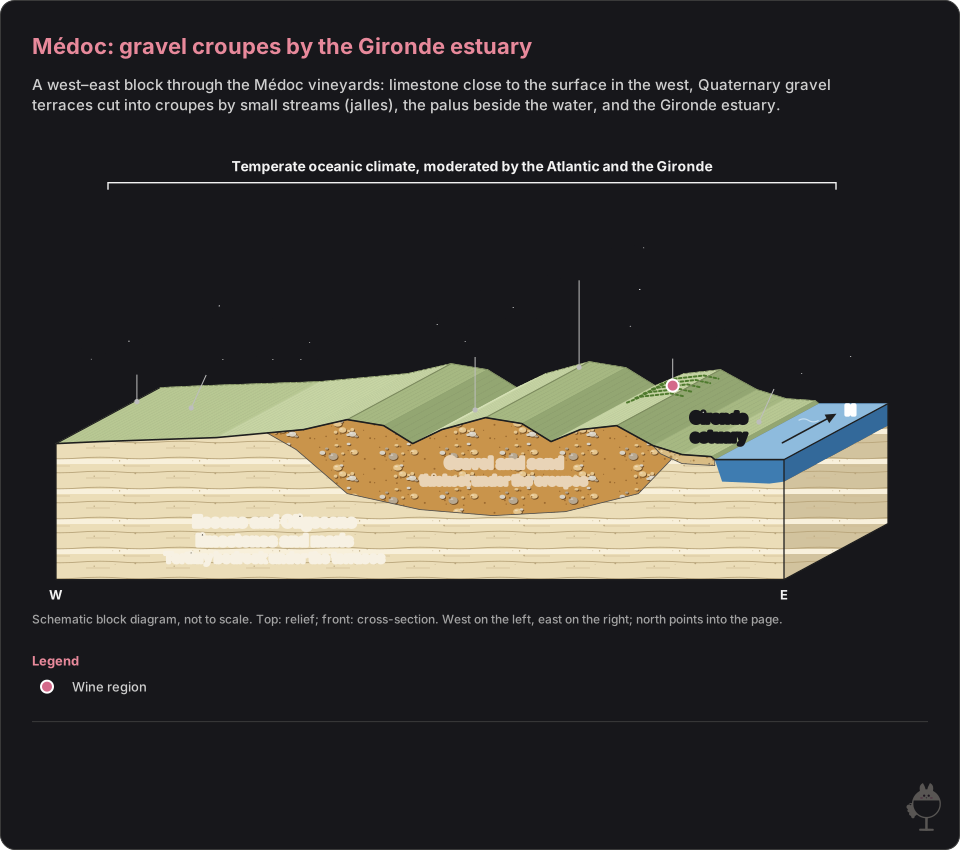
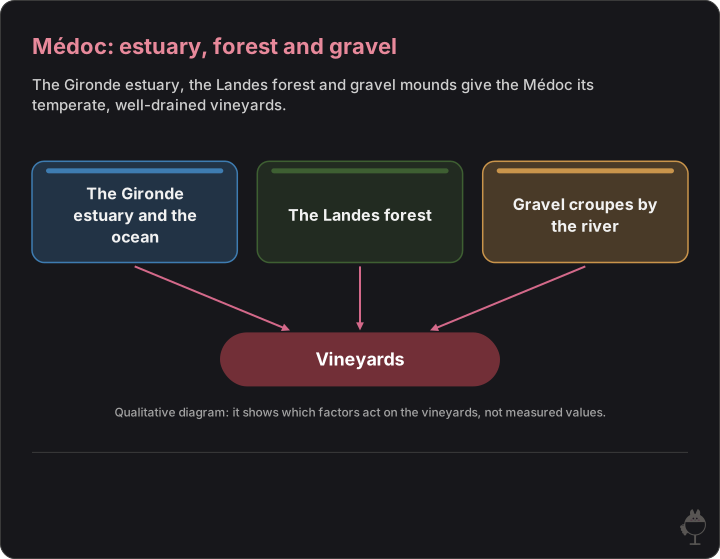
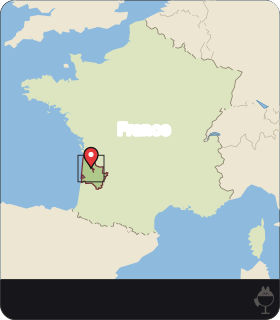
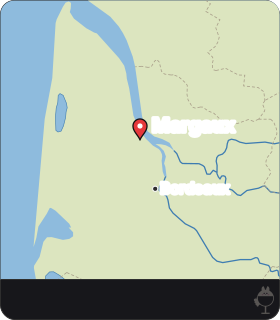
The Margaux appellation lies on the left bank of the Gironde estuary, on terraces of gravel laid down by the Garonne that now form low rises 6–33 m above sea level. The gravel is thickest, up to 30 m, at the tops of these rises (croupes), over Tertiary limestone or clay-marl. The climate is temperate oceanic, moderated by the Atlantic and the estuary.
Read it alongside this wine
The 2018 grand vin is 90% Cabernet Sauvignon, with Merlot, Cabernet Franc and Petit Verdot making up the rest; this site's grape list shows the four varieties but not their shares. The review's radar records high tannin, full body, high alcohol, pronounced flavour intensity and a long finish with medium(+) acidity, and its aroma tiers include a bottle-age group. It describes one vintage of one estate, not every Margaux.
Try it with the review
Open the review of Calon-Ségur 2019 from Saint-Estèphe and compare the two radars and aroma tiers. Where they differ, decide whether vintage, place, blend or producer could explain it, or whether the published information cannot tell you; where they match, ask what the radar alone cannot show.
These are learning prompts, not guaranteed tasting results. Separate the published facts from your own observations.
Sources
- INAO — Cahier des charges de l'appellation d'origine contrôlée « Margaux »Checked 2026-10-06
- Bordeaux Wines (CIVB) — Margaux: the Bordeaux wine appellation guideChecked 2026-10-06
- Château Margaux — Grand Vin du Château Margaux 2018Checked 2026-10-06