Maison Media

Mapreco Vinho Verde

Updated ·

Mapreco Vinho Verde is a white wine from Vinho Verde, Portugal, made from Loureiro, Trajadura, Arinto and Azal. In Maison Apéro’s structured tasting profile, the quality is “Good” and the readiness for drinking is “Drink now”.

Producer
Mapreco
Region
Vinho Verde · Portugal
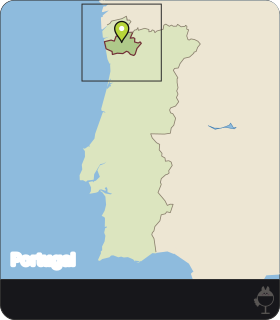
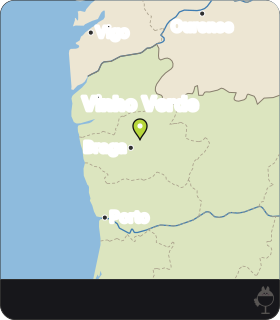
Portugal: map with a pin on Vinho VerdeVinho Verde and its surroundings: map with a pin
Vinho Verde · PortugalMap: Maison Apéro, based on Natural Earth (public domain)

About Mapreco Vinho Verde

What grapes is Mapreco Vinho Verde made from?

Mapreco Vinho Verde is made from Loureiro, Trajadura, Arinto and Azal.

Where does Mapreco Vinho Verde come from?

Mapreco Vinho Verde comes from Vinho Verde, Portugal. It is made by Mapreco.

How does Mapreco Vinho Verde taste?

In Maison Apéro’s structured tasting profile, Mapreco Vinho Verde is recorded with these levels — Sweetness: Off-dry; Acidity: High; Alcohol: Low; Body: Light; Flavour intensity: Medium; Finish: Medium. Aromas: Floral, Green fruit, Citrus fruit, Mineral.

When should you drink Mapreco Vinho Verde?

In Maison Apéro’s structured tasting profile, the readiness for drinking of Mapreco Vinho Verde is “Drink now”.

Mapreco Vinho Verde is an approachable, vibrant white wine produced in the Minho province of northwestern Portugal. Crafted from a blend of traditional indigenous grape varieties—primarily Loureiro, Trajadura, Arinto, and Azal—this wine exemplifies the classic regional style. It delivers a refreshing profile marked by low alcohol, elevated acidity, and a delicate spritz of carbon dioxide. Mapreco reflects the cool, maritime-influenced climate and decomposed granitic soils of the DOC, producing an unpretentious, thirst-quenching white designed for casual, immediate enjoyment.
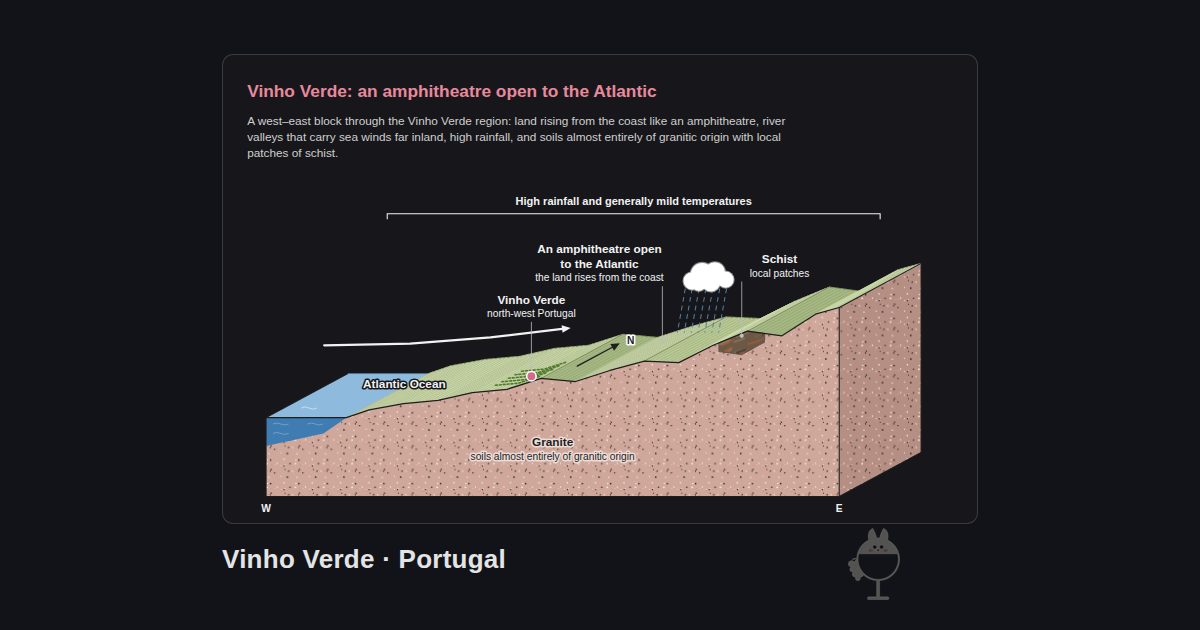
Vinho Verde, Portugal. Vinho Verde: an amphitheatre open to the Atlantic: Atlantic Ocean, An amphitheatre open to the Atlantic, Vinho Verde, Granite, Schist, High rainfall and generally mild temperatures
Vinho Verde · PortugalDiagram: Maison Apéro Sources: CVRVV — Vinho Verde Demarcated Region · CVRVV (Comissão de Viticultura da Região dos Vinhos Verdes) — Solos e Climas · CVRVV — Vinhos Verdes presentation (English, PDF)

Sensory & terroir profile

6-Axis Radar

Acidity High Tannin Not measured Body Light Alcohol Low Flavourintensity Medium Finish Medium

Tannin is not part of the evaluation of a white wine, so this axis is empty.

3-Tier Aromas

● Primary (Varietal, Fruit & Flora):
FloralGreen fruitCitrus fruitMineral

Climate & Landscape

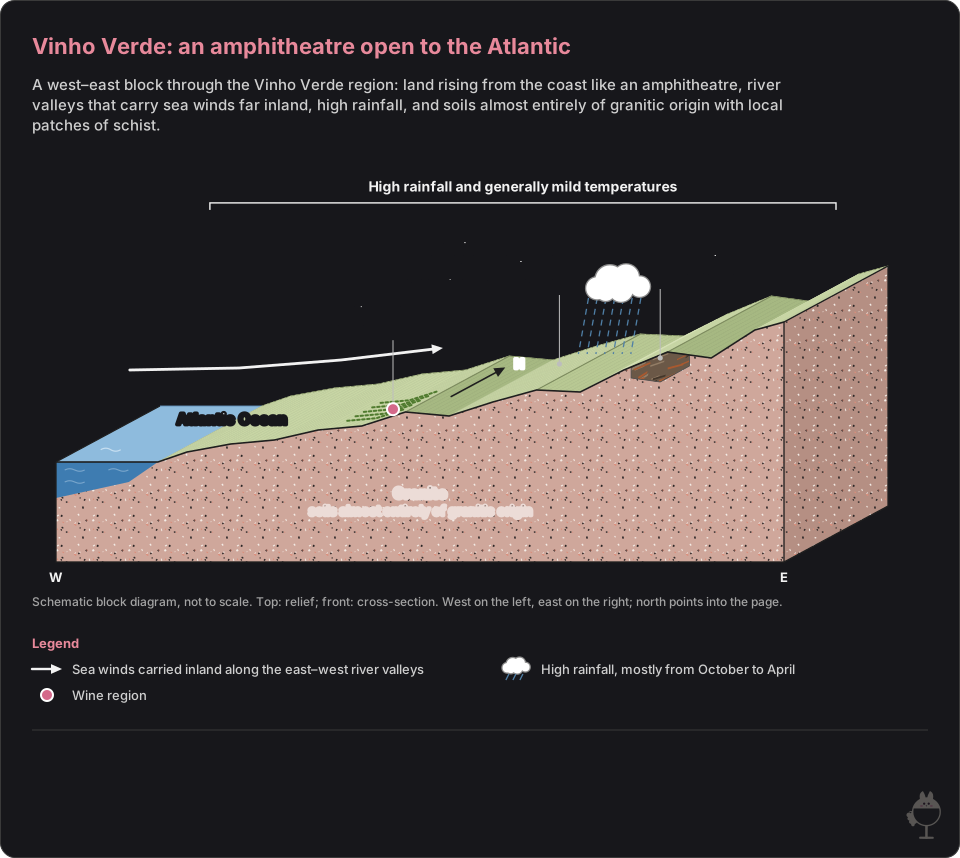
Vinho Verde: an amphitheatre open to the Atlantic: Atlantic Ocean, An amphitheatre open to the Atlantic, Vinho Verde, Granite, Schist, High rainfall and generally mild temperatures

Schematic block diagram, not to scale: the top shows the relief and the front face a cross-section, coloured by soil and rock type.

  • The region rises from the coast towards the interior like an amphitheatre open to the Atlantic; its main river valleys run east–west and let sea winds penetrate far inland.
  • Rainfall is high and falls mainly between October and April; temperatures are generally mild. In Monção e Melgaço, mountains block the sea winds, giving colder winters and warmer summers than elsewhere in the region.
  • The soils are almost entirely of granitic origin, with local patches of schist.

Terroir at a glance

Climate
High rainfall and generally mild temperatures CVRVV — Vinho Verde Demarcated Region

Tasting review

From the review saved in Maison Apéro for this wine and vintage.

Structured tasting profile

How to read this profile: each attribute is recorded as one level on a fixed scale, for example Acidity: Low · Medium− · Medium · Medium+ · High. Attributes without a saved level are left out; nothing is estimated.

Clarity
Clear
Intensity
Pale
Color
Lemon-green
Aroma intensity
Medium
Development
Youthful
Sweetness
Off-dry
Acidity
High
Alcohol
Low
Body
Light
Flavour intensity
Medium
Finish
Medium
Quality
Good
Readiness for drinking
Drink now
Primary

Floral, Green fruit, Citrus fruit, Mineral

Quality markers

✓ Balance

Up to 8 aromas across all three categories, with a target of 4–5 palate flavours. Only supported descriptors are listed; absences do not count as aromas. Red check counts are not scores.

Expert commentary

The wine exhibits textbook regional typicity with pale lemon-green hues, an inviting effervescence, and clean aromas of tart green apple and lemon zest. On the palate, mouth-watering acidity is pleasantly tempered by subtle residual sweetness, while low alcohol maintains an effortless, thirst-quenching profile.

Serving and ageing guide

This wine is rated as good quality. In terms of balance, the brisk, elevated acidity is harmoniously softened by a touch of residual sugar, ensuring the light body remains juicy rather than sharp. The finish is of medium length, clean and refreshing. Aroma intensity on the nose is medium, matched evenly by medium palate flavour intensity, both defined by crisp green apple and citrus. While it exhibits fine varietal typicity, it lacks the multi-dimensional complexity and concentrated depth to achieve a higher rating. Regarding drinking readiness, the wine is drink now, not suitable for further ageing. It is designed to be enjoyed in the first one to two years following release, as any prolonged cellaring will dissipate its effervescent prickle and fade its delicate primary aromas. Serve well chilled at 6–8°C directly from the bottle without decanting. It pairs exceptionally well with grilled sardines, fresh shellfish, ceviche, or light summer salads.

Appearance

Phrases the assessment is based on

This wine is clear and displays a Assessment evidence pale Assessment evidence lemon-green colour with faint green reflections and delicate effervescence around the rim.

Advanced analysis Grand

Nose

Tasting Review Example Réserve

Advanced analysis Grand

Palate

Tasting Review Example Réserve

Advanced analysis Grand

Quality

Tasting Review Example Réserve

Advanced analysis Grand

Readiness for drinking

Tasting Review Example Réserve

Advanced analysis Grand

Read Réserve and Grand sections by signing in to Maison Apéro with the corresponding plan.

Maison Apéro uses a multi-stage validation process. This tasting review is data-driven reference information created from wine information and analytical signals. Actual aromas, flavours and condition may vary by bottle, storage, service and individual perception, so it is not a definitive assessment.