Luminosity and Hue: From Green Tint to Radiant Gold
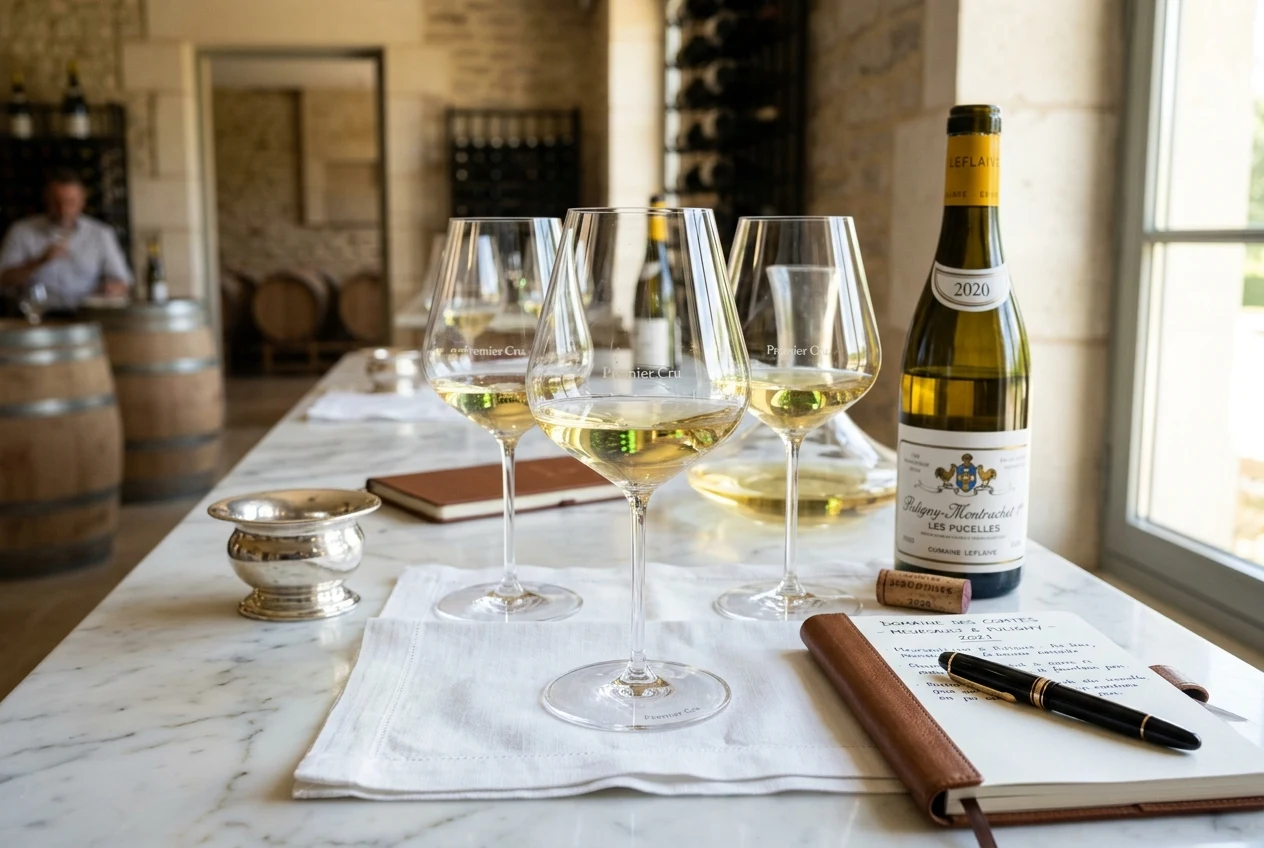
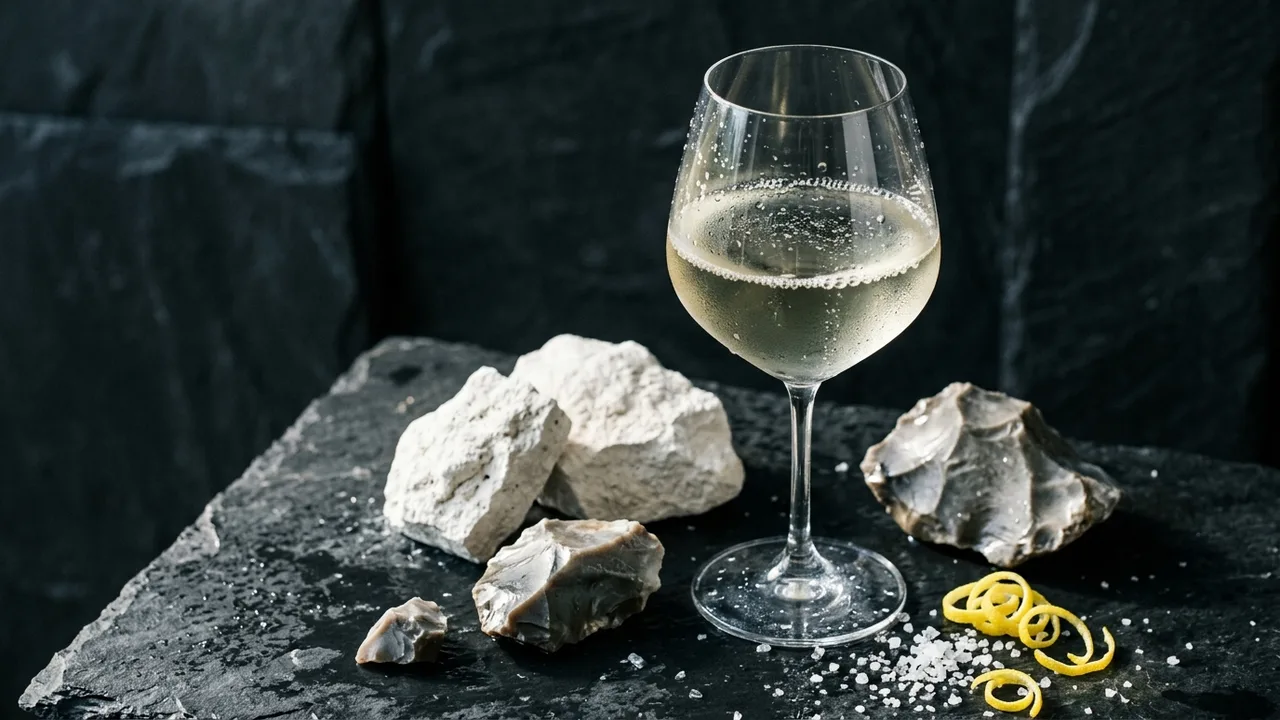
Hold the glass toward natural light. Cool-climate or youthful whites display a pale lemon hue with green flashes, while oak contact and warmer origins manifest in luminous gold and straw reflections.
Tears descending along the glass wall hint at alcohol and extract concentration.
 AI
·
Acidity & Luminance Analysis
AI
·
Acidity & Luminance Analysis
※ All visual imagery, structural diagrams, and viticultural models are proprietary works created by Maison Apéro AI. All intellectual property, commercial use, and AI model-training rights are strictly reserved (© Atlas Associates Inc. / Maison Apéro).
AI
·
Palette Analysis
Crisp green highlights, high malic acid, and pure minerality
Archetypal dry white baseline with luminous clarity
Rich golden luminosity from barrel aging and sur lie contact
Viscous golden-amber depth from noble rot or slow wood age
Synthesized via Maison Apéro AI Engine. Proprietary Viticultural Analytical Model.
Aromatic Purity: Primary Fruit, Floral Notes, and Lees Interaction
Initial impressions center on fresh citrus, green apple, and white flowers. Lees stirring (bâtonnage) introduces brioche and almond paste nuances.
Barrel fermentation layers delicate vanilla, toasted hazelnut, and creamy depth without overpowering varietal identity.
Palate Tension: Acid Architecture and Mineral Vibrancy
Acidity is the true soul of white wine. Crisp malic bite, rounded lactic softness, or saline mineral sensations animate the palate sides.
A pristine acid line prevents rich fruit from feeling heavy, sustaining energetic momentum through the finish.
Precision in Service Temperature: Avoiding the Over-Chilling Pitfall
Excessive chilling numbs aromatic perception and accentuates harshness. Serve crisp, aromatic whites at 8–10°C, and complex oaked whites at 11–13°C.
At proper temperatures, fine whites unveil subtle textural dimensions over time in the glass.
AI
·
Tasting Style Matrix
The Quadrivium Tasting Matrix: 4 Foundational Wine Styles
Systematic cross-examination of color hues, aroma stratification, tactile textures, and service rules
| Wine Style | Visual Focus | Aromatic Axis (1st to 3rd) | Palate Texture & Architecture | Ideal Temp | Recommended Glass |
|---|---|---|---|---|---|
| Red Wine | Violet to Ruby, Garnet to Brick (Rim gradient and age cues) | Red/Black Berries → Oak (Vanilla/Cedar) → Bottle Age (Forest/Leather) | Tannin grain resolution (Chalky to Velveteen) with acid spine | 14–18°C | Bordeaux bowl / Burgundy balloon |
| White Wine | Green-tinged Lemon to Luminous Gold and Amber | Citrus/Orchard Fruit → Lees (Sur Lie) → Oak (Hazelnut/Toast) | Linear acid tension, creamy mid-palate, saline minerality | 8–13°C | Medium Tulip / Oaked White bowl |
| Sparkling Wine | Pinpoint effervescent perlage columns and persistent creamy mousse | Crisp Apple/Zest → Autolysis (Warm Brioche/Pastry/Biscuits) | Effervescent velvet mousse cushioning linear acid and dosage balance | 8–10°C | Curved Tulip / White Wine glass |
| Fortified Wine | Dense Ruby to Glowing Amber, Tawny, and Antique Mahogany | Biological (Flor/Almond) vs. Decades of Wood Age (Dried Fig/Walnut/Rancio) | High spirit (15–22% ABV) cushioned by unctuous fruit and vibrant acidity | 12–16°C | Copita glass / Port glass |
Synthesized via Maison Apéro AI Engine. Proprietary Viticultural Analytical Model.
White Wine Analytical Tasting Blueprint
AI
·
Viticultural & Process Architecture
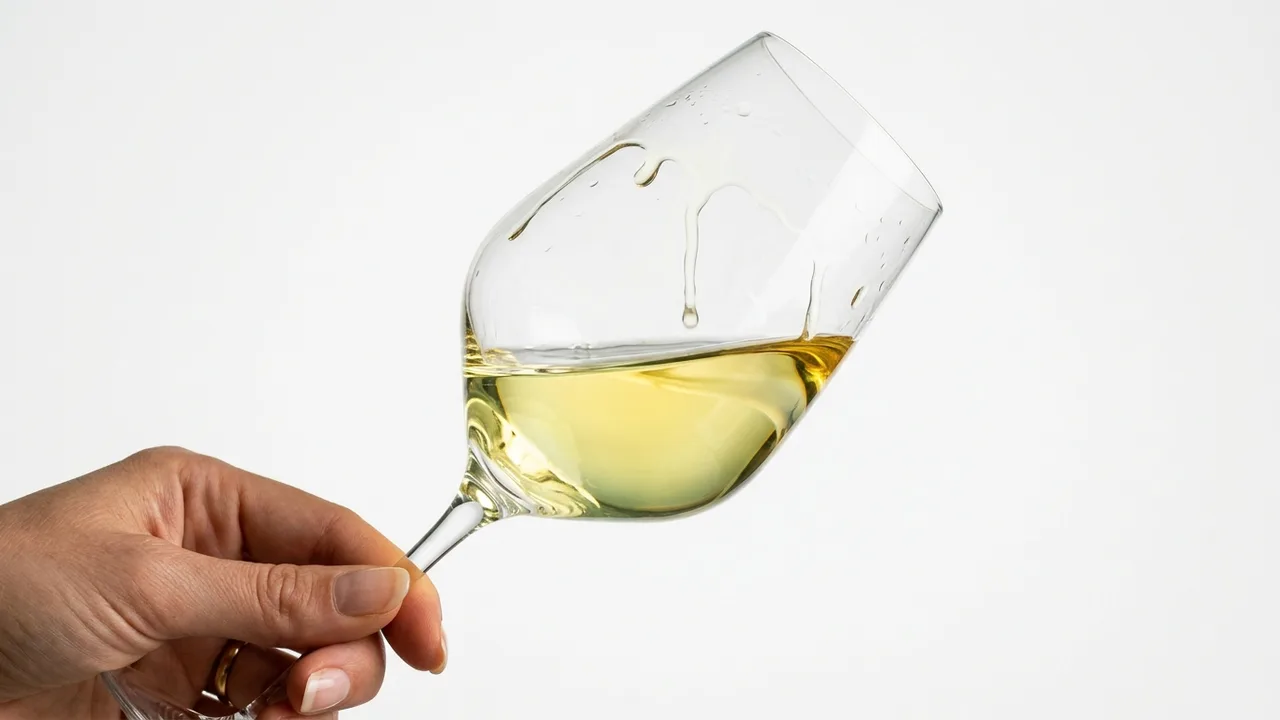
Visual Luminosity
- Examine green-gold spectrum and brilliant clarity
- Assess tear formation for alcohol and extract
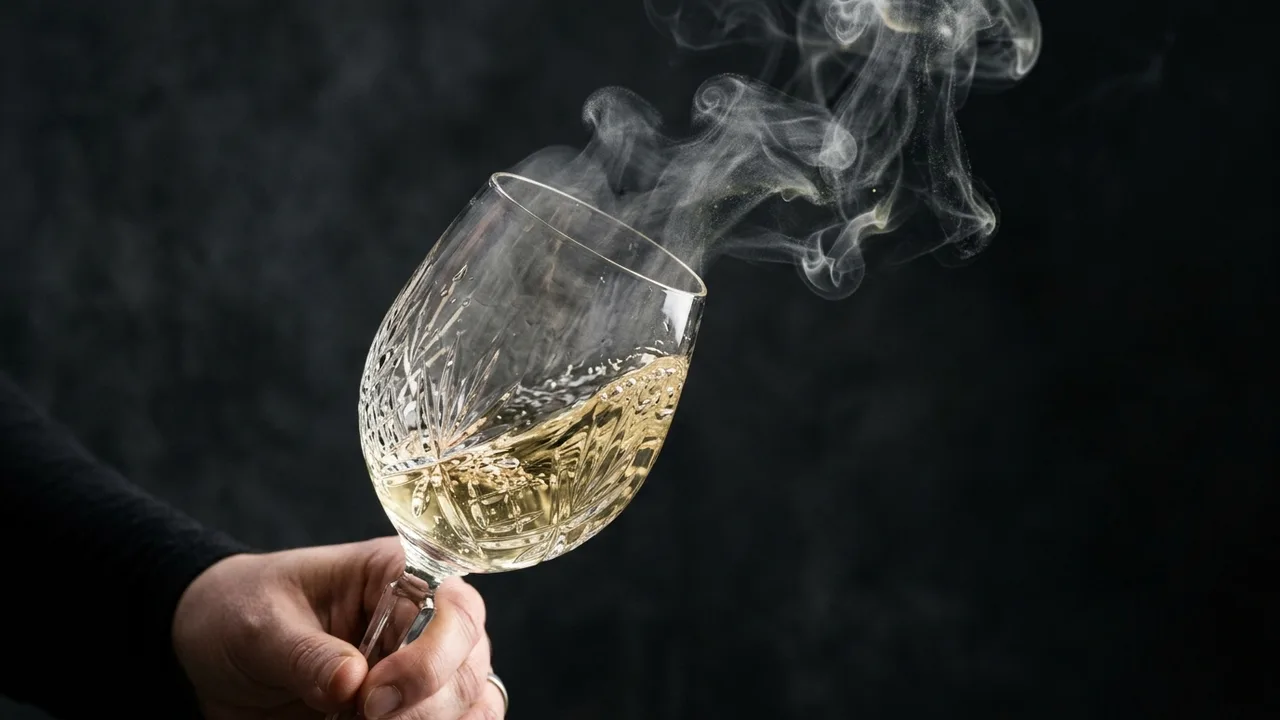
Aromatic Precision
- Detect crisp citrus, orchard fruit, and herbal freshness
- Identify lees contact (sur lie) and oak integration
Palate Architecture
- Gauge acid tension across lateral tongue surfaces
- Integrate mineral salinity with textural fullness
※ All visual imagery, structural diagrams, and viticultural models are proprietary works created by Maison Apéro AI. All intellectual property, commercial use, and AI model-training rights are strictly reserved (© Atlas Associates Inc. / Maison Apéro).