
The Aesthetics of Perlage: Bubble Size, Velocity, and Mousse Persistence
Pour gently and observe the perlage. Traditional method sparkling wines display microscopic, pinpoint bubbles ascending in continuous, thread-like beads from nucleation sites.
The persistence of the delicate foam ring (cordon de mousse) at the liquid surface indicates protein maturity and slow bottle aging.
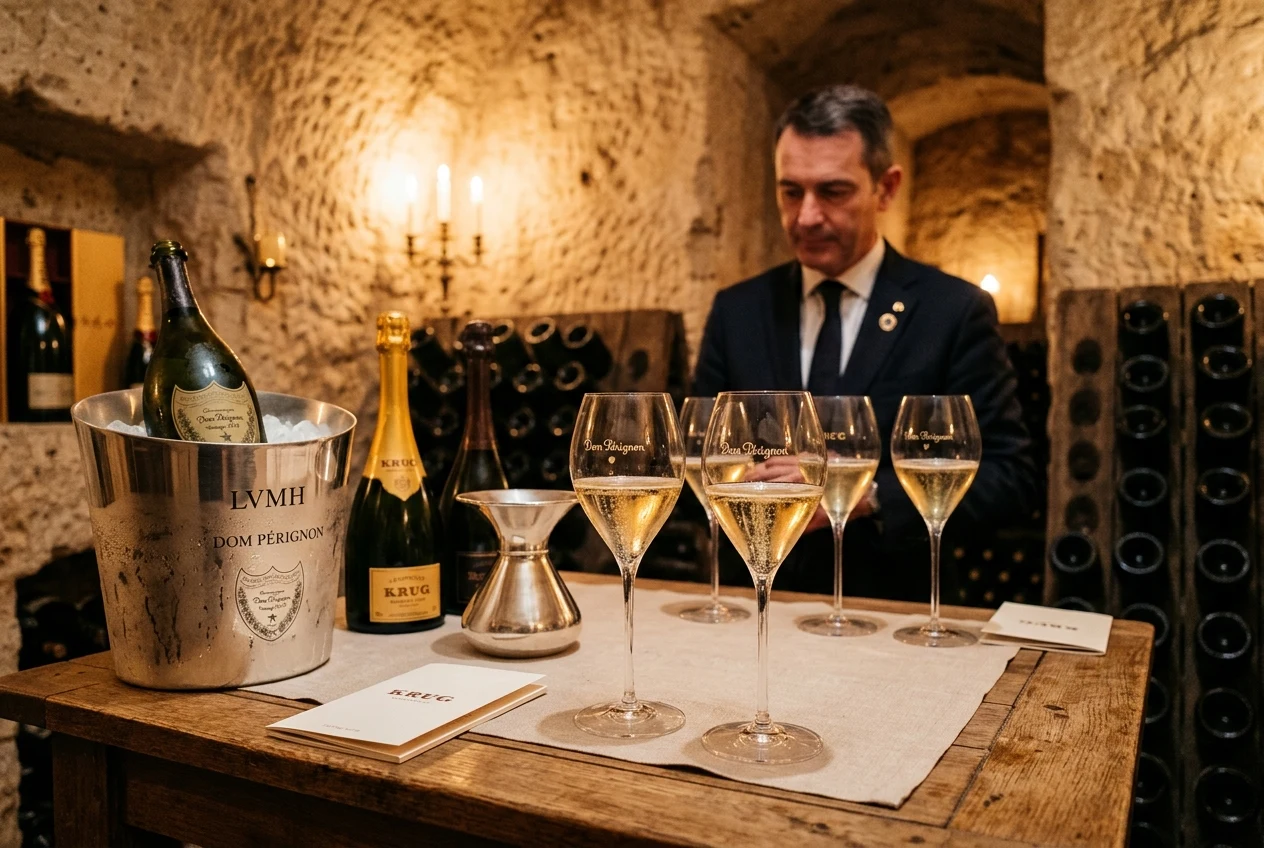
 AI
·
Effervescence & Autolysis Analysis
AI
·
Effervescence & Autolysis Analysis
※ All visual imagery, structural diagrams, and viticultural models are proprietary works created by Maison Apéro AI. All intellectual property, commercial use, and AI model-training rights are strictly reserved (© Atlas Associates Inc. / Maison Apéro).
AI
·
Palette Analysis
Translucent purity from chalky soils and linear Chardonnay acid
Harmonious blend with fine autolytic brioche development
Grand cuvée depth forged through 7+ years on fine lees
Delicate salmon-coral hue from noble red skin maceration
Synthesized via Maison Apéro AI Engine. Proprietary Viticultural Analytical Model.
Autolytic Complexity: Fresh Fruit Meets Brioche and Toasted Pastry
Effervescence propels aromatics toward the nose. Crisp green apple and lemon zest interlock with autolytic yeast breakdown products: warm brioche, croissant, roasted hazelnut, and toasted brioche.
Prestige cuvées exhibit honeyed tertiary undertones, dried apricot, and marzipan.
Palate Dynamics: Pressure, Velvety Foam, and Dosage Harmony
On the palate, bubbles must not bite or prickle aggressively; they should caress the palate as a feather-light, creamy mousse. High natural acidity pierces the core.
The dosage level (Brut Nature, Extra Brut, Brut) must find seamless equilibrium with linear acid tension and autolytic richness.
Beyond the Flute: The Ascendance of Tulip Glassware
While narrow flutes showcase bubble trajectories, they stifle complex aromas. Modern sommelier practice favors curved tulip flutes or white wine glasses that offer aromatic breathing room.
Serve at 8–10°C to allow effervescence and multifaceted aromatics to sing in unison.
AI
·
Tasting Style Matrix
The Quadrivium Tasting Matrix: 4 Foundational Wine Styles
Systematic cross-examination of color hues, aroma stratification, tactile textures, and service rules
| Wine Style | Visual Focus | Aromatic Axis (1st to 3rd) | Palate Texture & Architecture | Ideal Temp | Recommended Glass |
|---|---|---|---|---|---|
| Red Wine | Violet to Ruby, Garnet to Brick (Rim gradient and age cues) | Red/Black Berries → Oak (Vanilla/Cedar) → Bottle Age (Forest/Leather) | Tannin grain resolution (Chalky to Velveteen) with acid spine | 14–18°C | Bordeaux bowl / Burgundy balloon |
| White Wine | Green-tinged Lemon to Luminous Gold and Amber | Citrus/Orchard Fruit → Lees (Sur Lie) → Oak (Hazelnut/Toast) | Linear acid tension, creamy mid-palate, saline minerality | 8–13°C | Medium Tulip / Oaked White bowl |
| Sparkling Wine | Pinpoint effervescent perlage columns and persistent creamy mousse | Crisp Apple/Zest → Autolysis (Warm Brioche/Pastry/Biscuits) | Effervescent velvet mousse cushioning linear acid and dosage balance | 8–10°C | Curved Tulip / White Wine glass |
| Fortified Wine | Dense Ruby to Glowing Amber, Tawny, and Antique Mahogany | Biological (Flor/Almond) vs. Decades of Wood Age (Dried Fig/Walnut/Rancio) | High spirit (15–22% ABV) cushioned by unctuous fruit and vibrant acidity | 12–16°C | Copita glass / Port glass |
Synthesized via Maison Apéro AI Engine. Proprietary Viticultural Analytical Model.
Sparkling Wine Sensory Architecture
AI
·
Viticultural & Process Architecture
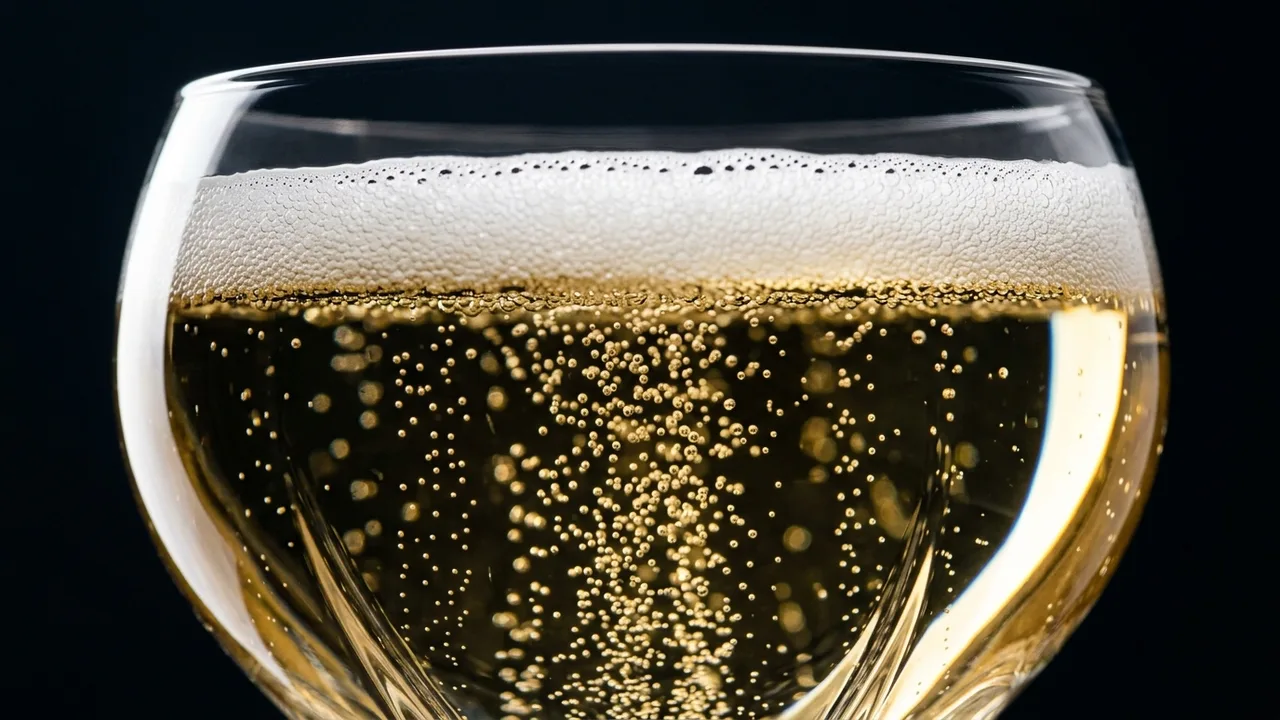
Perlage Examination
- Examine bubble diameter and column regularity
- Assess surface cordon de mousse retention
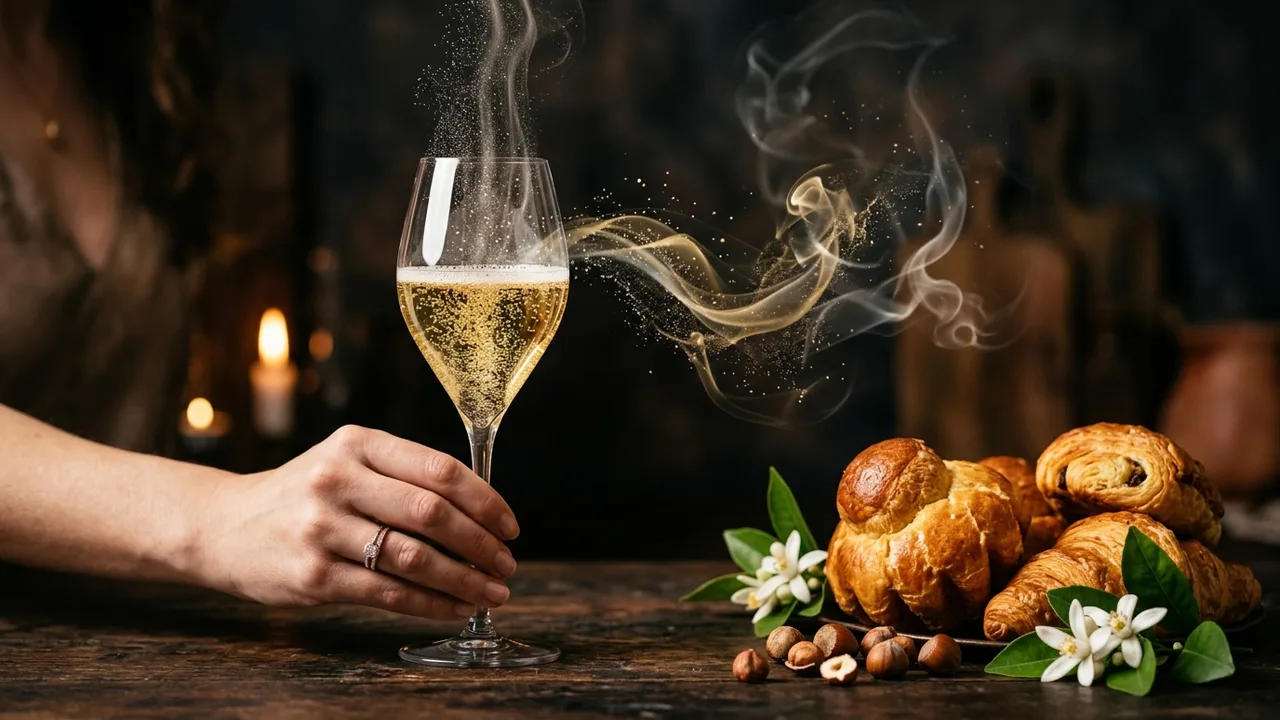
Autolytic Aromatics
- Inhale vaporized primary citrus and orchard fruit
- Detect brioche, toasted bread, and roasted nut tiers
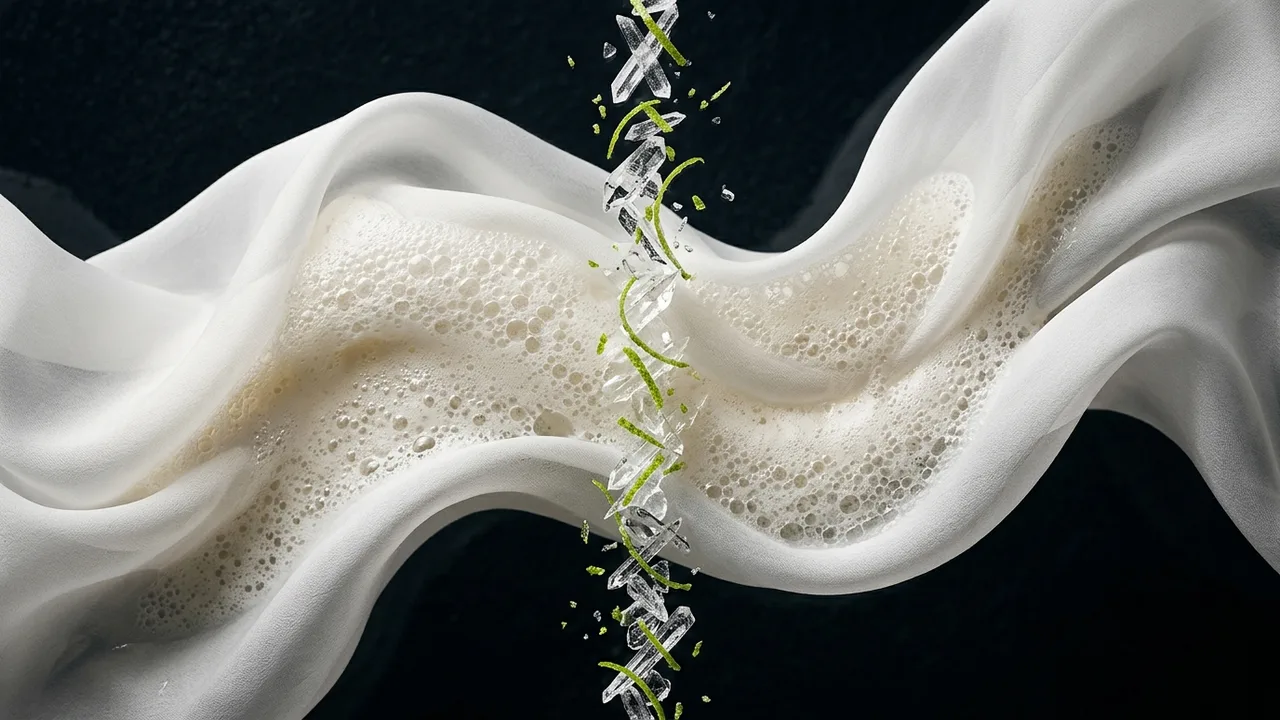
Mousse & Palate Balance
- Evaluate textural creaminess against carbon dioxide pressure
- Assess tension between acid spine, dosage, and finish
※ All visual imagery, structural diagrams, and viticultural models are proprietary works created by Maison Apéro AI. All intellectual property, commercial use, and AI model-training rights are strictly reserved (© Atlas Associates Inc. / Maison Apéro).