
Timing of Mutage and Visual Depth: From Deep Ruby to Antique Mahogany
Understanding fortified wine begins with when neutral grape spirit is introduced: arresting fermentation to retain unfermented grape sugars (Port style) or after full fermentation to dry maturity (Sherry style).
Visually, hues traverse from opaque youthful ruby to glowing amber, tawny, and deep mahogany, frequently crowned by a pale olive or yellowish rim.
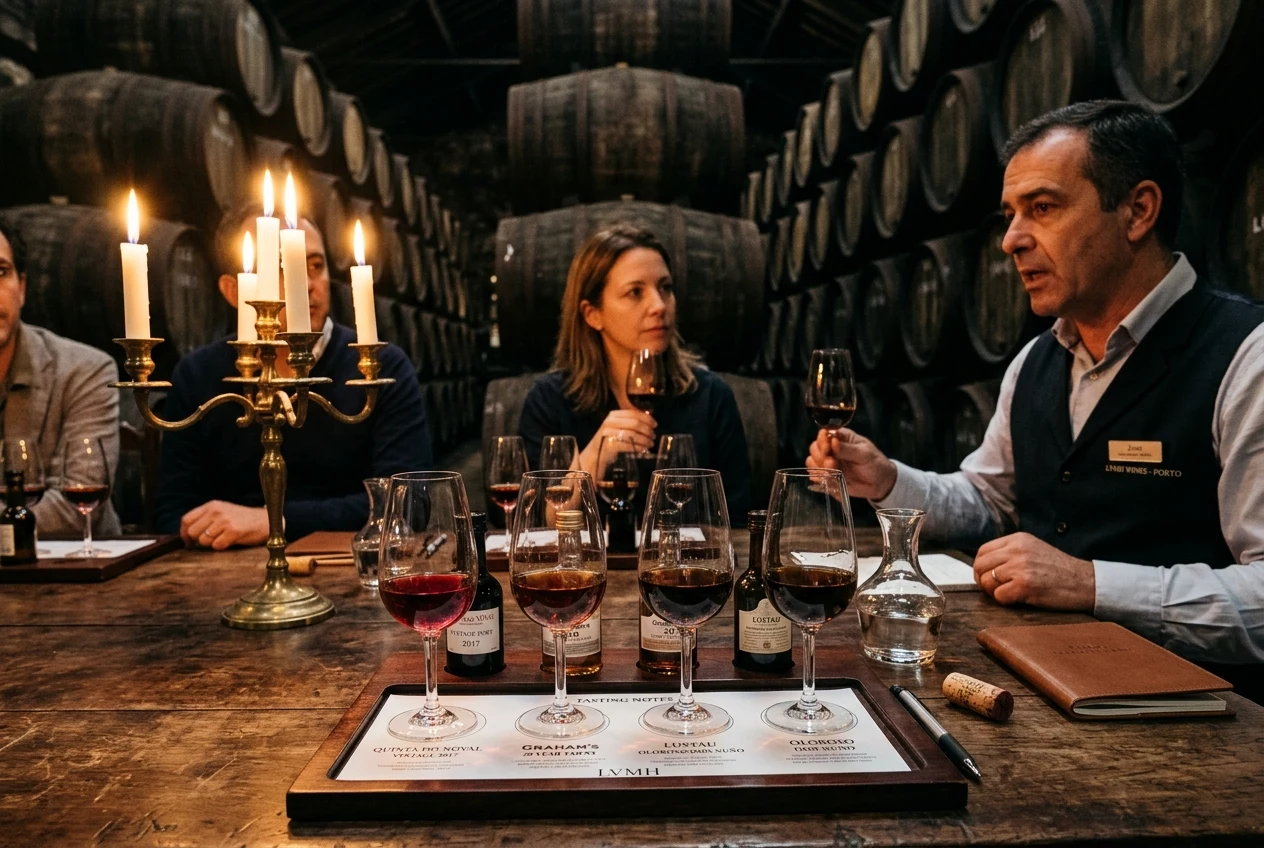
 AI
·
Oxidative Aging & Viscosity Analysis
AI
·
Oxidative Aging & Viscosity Analysis
※ All visual imagery, structural diagrams, and viticultural models are proprietary works created by Maison Apéro AI. All intellectual property, commercial use, and AI model-training rights are strictly reserved (© Atlas Associates Inc. / Maison Apéro).
AI
·
Palette Analysis
Dense opaque extraction sealing youthful fruit and spirit
Radiant warm amber through biological and oxidative aging
Sophisticated wood-matured russet and golden-brown gradient
Antique mahogany depth from prolonged water evaporation
Synthesized via Maison Apéro AI Engine. Proprietary Viticultural Analytical Model.
Contrasting Maturation Modes: Biological Flor vs. Decades of Oxidative Wood
Wines aged beneath a living yeast veil (flor), such as Fino and Manzanilla, emanate chamomile, green almond, dough, and saline marine air.
Conversely, oxidative aging in wooden casks (Oloroso, aged Tawny Port, Madeira) unleashes prunes, dried figs, walnut husks, caramel, and ethereal rancio notes.
Harmonizing Elevated Spirit: How High Natural Acidity Tames Heat and Sugar
Elevated alcohol (15–22% ABV) must never burn. In transcendent fortified wines, alcohol warmth is embraced by fruit concentration, unctuous sweetness, and vital acidity.
In Madeira especially, volcanic acidity slices through sugar richness, extending length into minutes.
Glassware Precision and Longevity: Small Sips, Enduring Pleasure
Avoid oversized glasses that over-concentrate ethanol fumes. Choose traditional copitas or tapered dessert wine glasses designed to focus complex aromatics.
Oxidatively aged tawnies and sherries possess remarkable stability, remaining vibrant for weeks or months after uncorking.
AI
·
Tasting Style Matrix
The Quadrivium Tasting Matrix: 4 Foundational Wine Styles
Systematic cross-examination of color hues, aroma stratification, tactile textures, and service rules
| Wine Style | Visual Focus | Aromatic Axis (1st to 3rd) | Palate Texture & Architecture | Ideal Temp | Recommended Glass |
|---|---|---|---|---|---|
| Red Wine | Violet to Ruby, Garnet to Brick (Rim gradient and age cues) | Red/Black Berries → Oak (Vanilla/Cedar) → Bottle Age (Forest/Leather) | Tannin grain resolution (Chalky to Velveteen) with acid spine | 14–18°C | Bordeaux bowl / Burgundy balloon |
| White Wine | Green-tinged Lemon to Luminous Gold and Amber | Citrus/Orchard Fruit → Lees (Sur Lie) → Oak (Hazelnut/Toast) | Linear acid tension, creamy mid-palate, saline minerality | 8–13°C | Medium Tulip / Oaked White bowl |
| Sparkling Wine | Pinpoint effervescent perlage columns and persistent creamy mousse | Crisp Apple/Zest → Autolysis (Warm Brioche/Pastry/Biscuits) | Effervescent velvet mousse cushioning linear acid and dosage balance | 8–10°C | Curved Tulip / White Wine glass |
| Fortified Wine | Dense Ruby to Glowing Amber, Tawny, and Antique Mahogany | Biological (Flor/Almond) vs. Decades of Wood Age (Dried Fig/Walnut/Rancio) | High spirit (15–22% ABV) cushioned by unctuous fruit and vibrant acidity | 12–16°C | Copita glass / Port glass |
Synthesized via Maison Apéro AI Engine. Proprietary Viticultural Analytical Model.
Fortified Wine Sensory Architecture
AI
·
Viticultural & Process Architecture
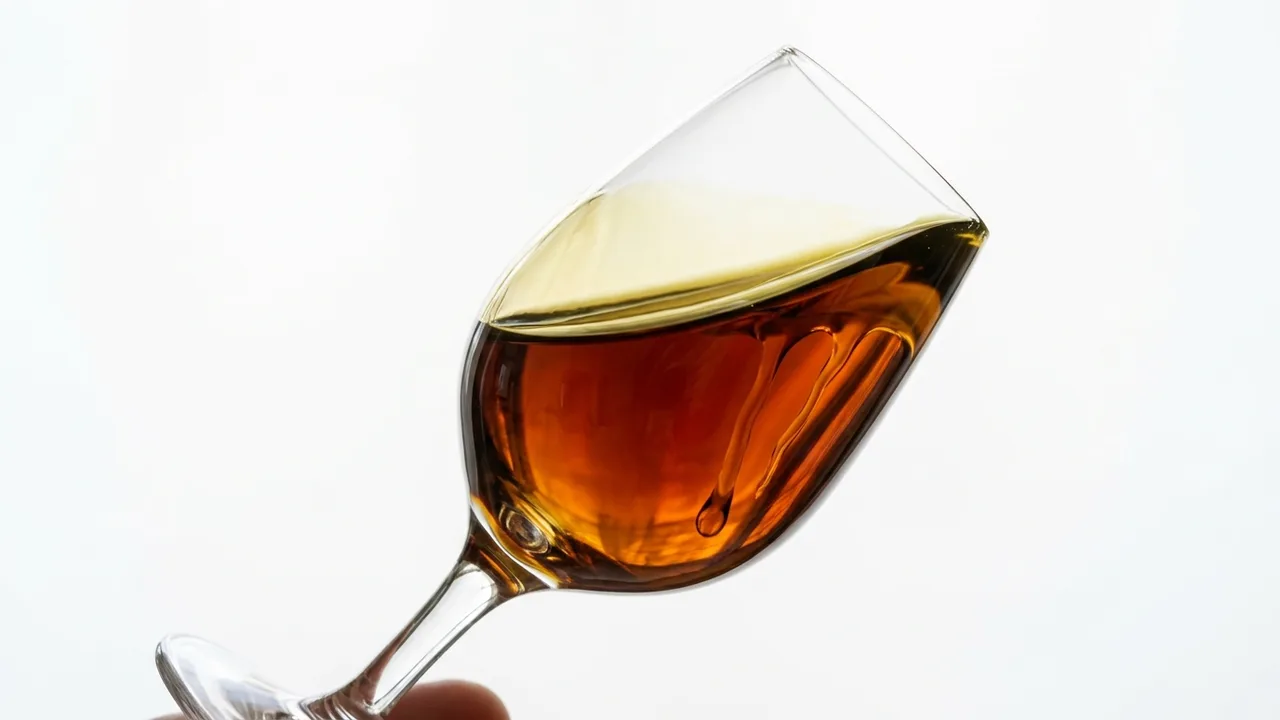
Visual & Fortification Typology
- Track chromatic descent from opaque ruby to amber and mahogany
- Deduce residual sugar versus bone-dry style from tear kinetics
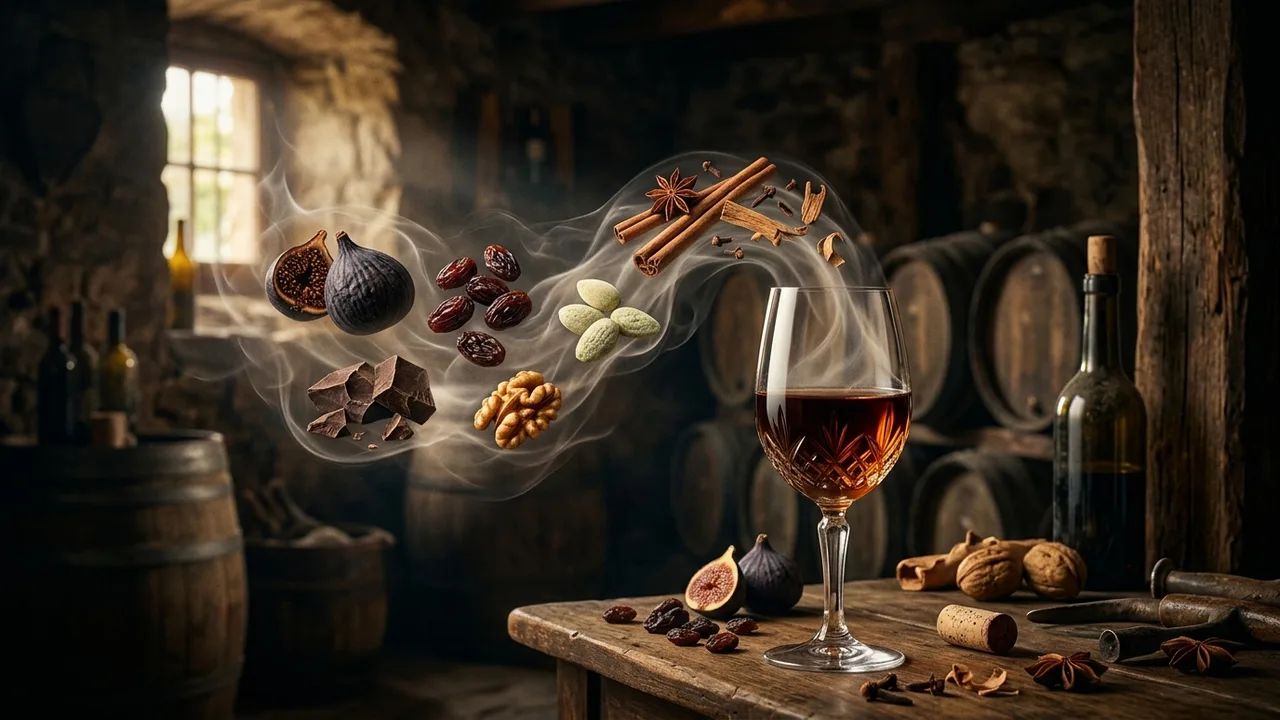
Aromatic Divergence
- Identify biological flor markers (saline, chamomile, fresh almond)
- Unravel oxidative tiers (figs, roasted walnut, molasses, rancio)
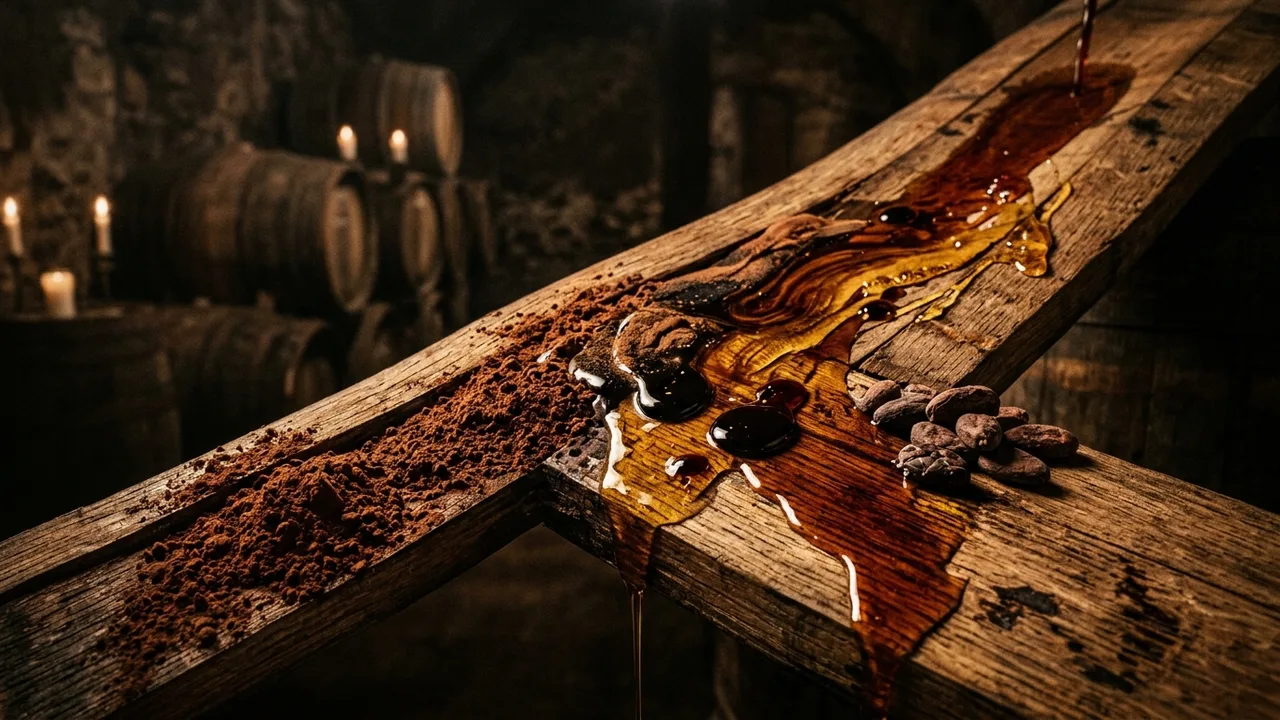
Spirit, Sugar & Acid Triad
- Confirm alcohol warmth is absorbed within fruit concentration
- Verify acid tension cleanses palate and sustains persistent finish
※ All visual imagery, structural diagrams, and viticultural models are proprietary works created by Maison Apéro AI. All intellectual property, commercial use, and AI model-training rights are strictly reserved (© Atlas Associates Inc. / Maison Apéro).